

Whether schools in your area start back next week, the week after or have already returned – this is a great time to celebrate your decision to Home Educate!
No need to set alarm clocks! ✅
No need to buy school uniform! ✅
Parks, museums and beauty spots empty! ✅
Even more so for the thousands of new Home Educators who have taken the decision to HE full time whether for health reasons or following their successes since school closures. To all of you – welcome, congratulations and RELAX. Taking full responsibility for your child’s education can feel like a big step and cause stress and worry but don’t!
Beginning your Home Education journey is a big event in anyone’s life and brings with it sole responsibility for providing your children’s education. This can cause stress. anxiety and worry. The good news is you don’t need to feel this way! Relax!
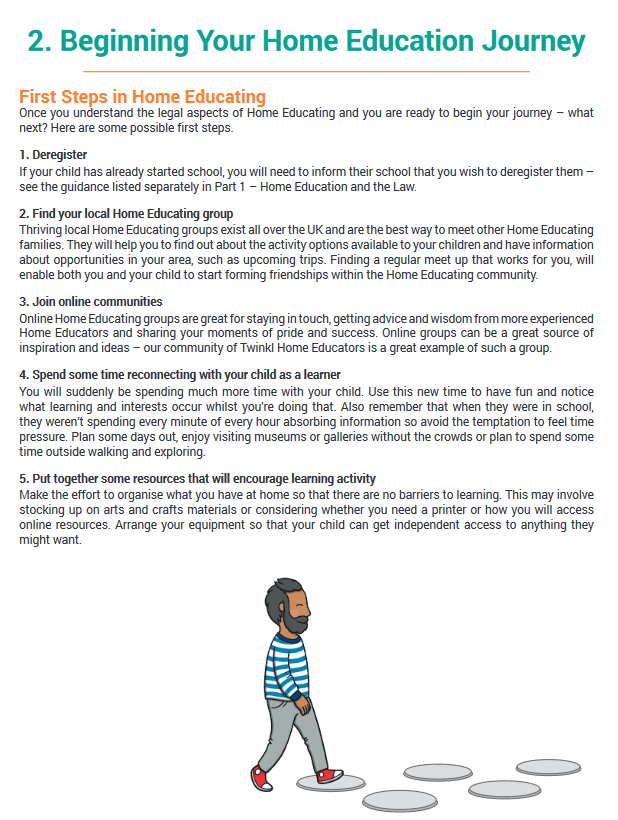
You are officially a Home Educator! You’ve thought long and hard about this and come to the decision that it’s the right thing for your family. You’ve sent in your deregistration form, you’ve told your family and friends and you’re ready for action!
You’re happy and excited, but there’s so much to do. You need to make a timetable and colour-code it, download the curriculum and laminate it, put up wall displays, download assessments, buy reading schemes and non-fiction libraries, arrange folders, buy stationery and workbooks, subscribe to online courses, arrange webinars and play dates, meet other home educators… the list can feel endless.
Where to start?
Start by relaxing!
You may do some or indeed all of those things at some point during your time as a Home Educator. But you do not need to do ANY of them to begin your Home Education journey! In fact, one of the main things you have bought yourself with your decision to Home Educate is TIME!
This blog is about relaxing at the beginning of your Home Ed journey and enjoying it. Take a deep breath, relax your shoulders, find your neutral space and have a read through these top tips for starting out as a Home Educator, gathered from the collective wisdom of experienced Home Educators who have all been exactly where you are now.
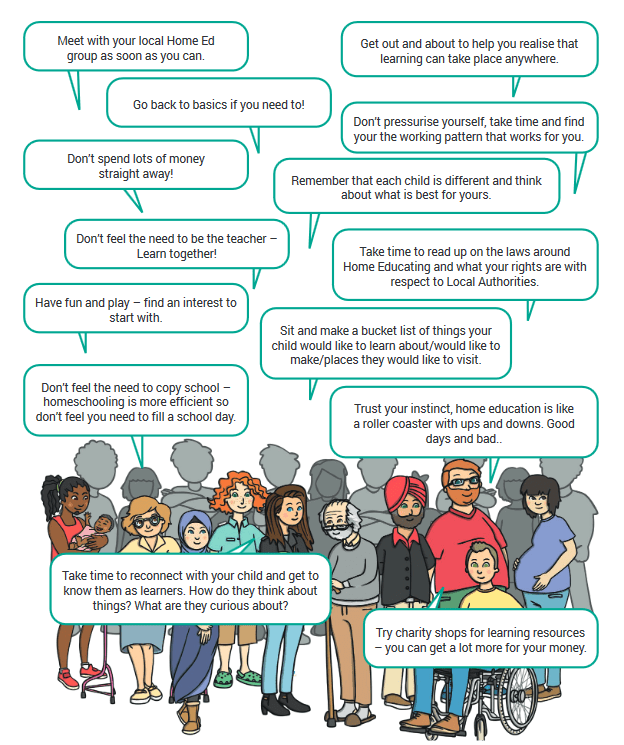
1. Start slow. Just as restaurants have ‘soft openings’ where they try out their systems and perfect their menus, see the first few weeks of your Home Education journey as a ‘soft’ beginning. Don’t put yourself under any pressure to achieve. Have fun! Enjoy the empty parks and playgrounds. Spend lots of time in nature, make some land art,
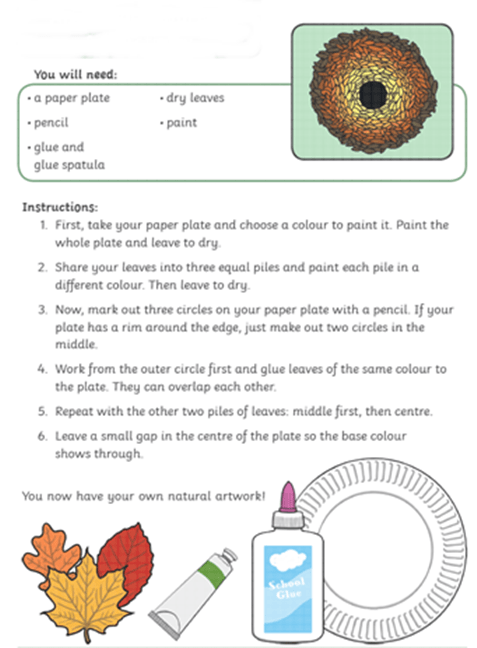
allow your children to play and rediscover their natural curiosity. Make happy memories.
2. Have faith in the fact that children are natural learners. They are curious and they get interested in things. Take a step back and observe this process happening. Listen for them asking questions. Now you can find the answers together! It could even become the start of a project.

3. Be clear that being a Home Educator doesn’t mean you need to recreate school at home. Learning can now happen 24/7, 365 days a year, and is certainly not limited to what can be done sitting at a desk between the weekday hours of 9 and 3:15. Read about how much of a school day is spent on procedural organization to understand how little you will need to do to replicate actual learning time in school, and to be assured that children can make rapid progress when learning one-to-one with you.
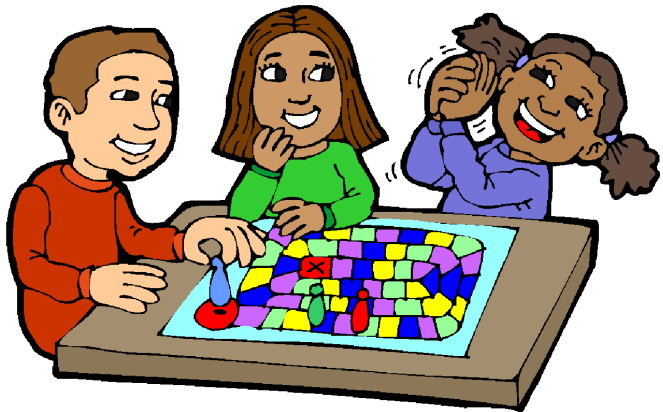
4. Play board games with your children. This will help you appreciate how much learning can happen naturally. Watch them add and subtract numbers, count money and develop and evaluate strategies. Have fun!
5. Explore other different ways to learn beyond the classroom desk. Watch documentaries together, listen to podcasts, share books, talk to people from an older generation and visit interesting places. Find real life learning opportunities, such as cooking or shopping, and don’t forget to talk to your children about what they’ve learned – you will be amazed!

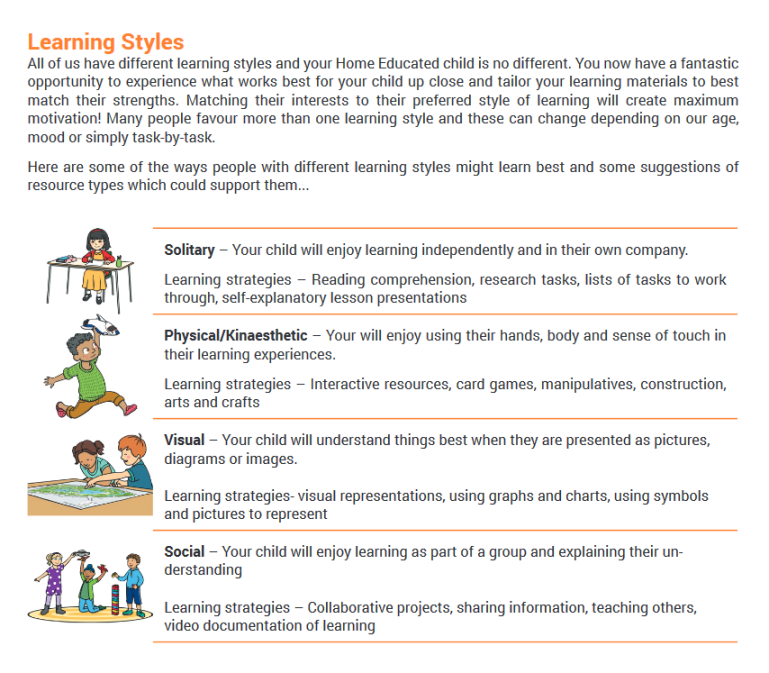
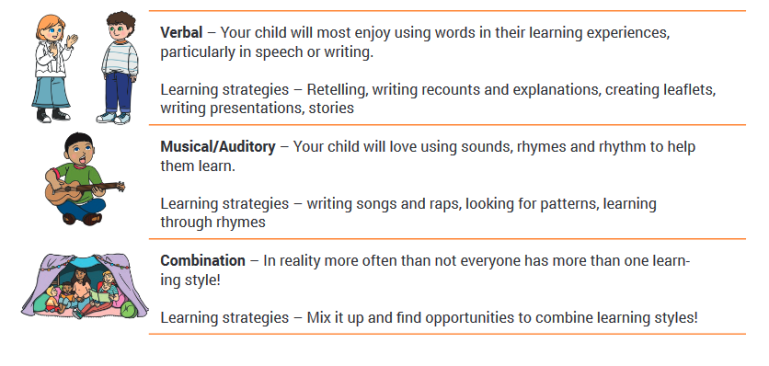
6. Find your rhythm. Try and develop an understanding of what your children’s natural cycles are – do they spring out of bed bright-eyed and bushy-tailed, or are they groggy in the morning but buzzing later in the day? Do they need some downtime after lunch? What works for them? This can be a good time to identify when more formal learning might work, if you do plan on doing any – you can begin to reflect on what style you think might work for your family.
7. Don’t spend lots of money. It can be tempting to buy lots of curriculum and resource materials before you begin, when at this stage you don’t even really know how you will home educate. Avoid this temptation and visit charity shops instead to pick up bargain books and games which may inspire learning
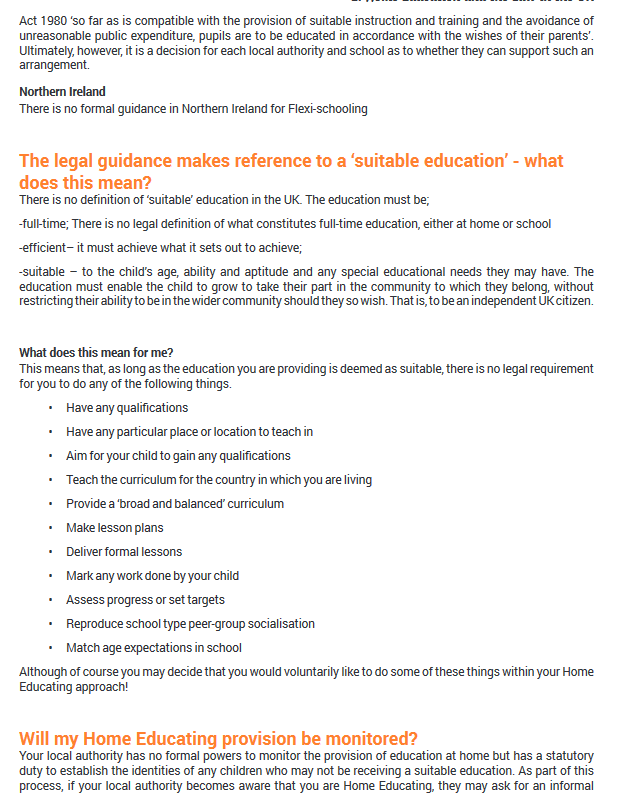
8. Ignore age ranges and don’t feel the need to compare. As a Home Educator, you now don’t need to worry about suggested ages and what other children of the same age can or can’t do. There is no ‘ahead’ or ‘behind’ in Home Ed. Year group labels on resources are much less relevant – your child may be learning above or below school expectations in a particular subject and this may vary wildly from subject to subject. Your child is unique and you know them better than anyone. It is quite likely your child will make friends with children of all ages at Home Ed meets.
9. Expect to have wobbles. Taking full ownership of your child’s education brings with it a feeling of responsibility that leads all Home Educators to doubt themselves or their decision at some point. This is natural. Understand that all children and adults have good days and bad days. Be prepared to pivot and change plans. Remind yourself of the reasons that you have chosen to home educate and why that makes this the right choice for your family, whether you are having a good day/week or a bad one. Don’t worry, the good experiences will be far more numerous.
10. Remind yourself of what you have already taught your children – lots! How to look after themselves, how to be respectful and polite, how to be thankful and appreciative. This new chapter is just a totally natural extension of your role as a parent!
11. Talk to other Home Educators. Find out how others do things, ask questions in online groups and take time to read every reply. Ask people what they did when they started out – what went well, and what would they do differently? Gain inspiration from the ideas of others, but don’t feel inferior – everyone has different skills, budgets and disposable time
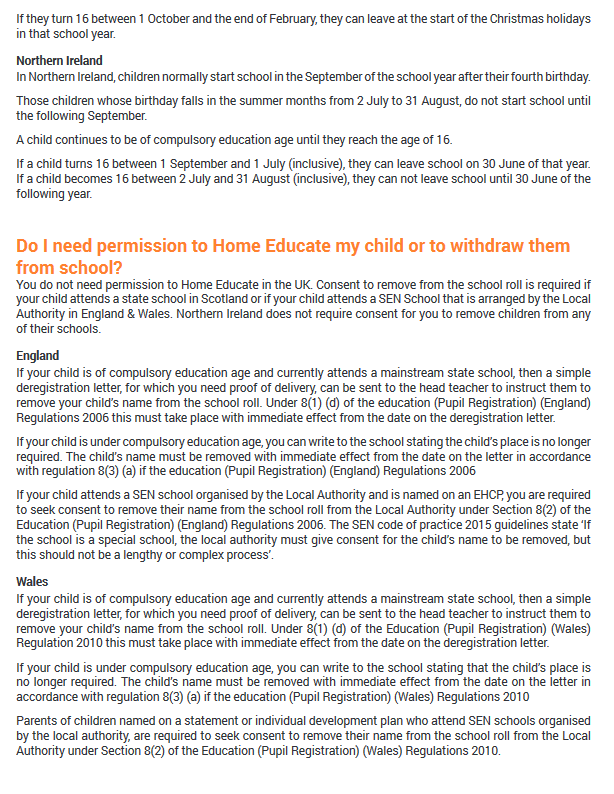
12. Understand the legal implications of your decision to Home Educate. Find out what you are required to do, and what you aren’t required to do, so that you are clued up if anyone tries to tell you otherwise.



We appreciate that beginning your Home Ed journey can be an exciting but daunting time. Whether it is something that you have thought about for a long time or a decision you had to make quickly, once you begin it is suddenly all down to you!However, we are here for you too!

You have made a decision to devote yourself to meeting the needs of your child and although this may create difficulties and worries at times, very few of our Home Educators ever regret making that decision. This is a small sample of what they enjoy most about Home Educating.
– This is a small sample of what they enjoy most about Home Educating!
Children learning at their own pace and not being compared to others.
Working in pajamas,
lazy days, crazy days
and bonding as a family.
Time for children to be themselves,
lie in bed,
be wild,
grow and learn.
Freedom to learn what we want,
when we want.
Building a lifelong love of learning and quality family time!
Meeting THEIR needs and reducing anxiety!
Cheaper holidays!
Being together and getting our happy back!
The opportunity to match things to the way your children learns

 ukhomeschool