
Pompeii was hit by an extreme volcano eruption and stayed frozen in time for thousands of years.
Once a bustling city in Italy, Pompeii was destroyed when the volcano Mount Vesuvius erupted. It was just miles away and buried the whole city. When it was rediscovered after thousands of years of being under ash, everything was preserved.
Below you’ll find lots of facts for kids about the lost city of Pompeii, which was one of the worst natural disasters in history. Learn all about life in the city of Pompeii, why the city was so unlucky, and how it managed to stay buried for so long.
What Was Pompeii?
Pompeii was a Roman city located in the region of Southern Italy known as Campania.
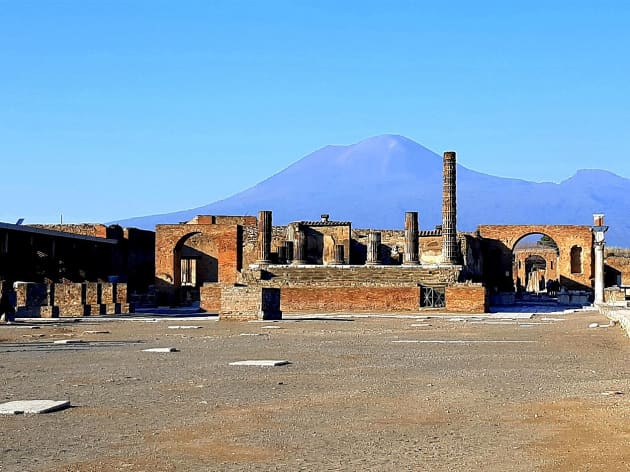
It was an exciting and bustling Roman city, with grand stone buildings, temples and a forum. Pompeii was a modern city for its time. The streets were paved and the people of Pompeii even had the luxury of running water.
But in 79 AD, disaster struck! The city was buried under nearly seven meters of ash from the eruption of the nearby volcano, Mount Vesuvius.
The city of Pompeii was rediscovered thousands of years later. It’s now a major tourist attraction, which has more than 2.5 million visitors per year from all over the world.
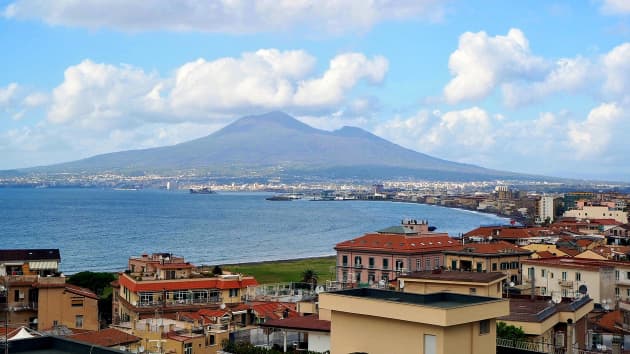
Mount Vesuvius Facts
- Mount Vesuvius is the only active volcano in mainland Europe. It’s considered one of the most dangerous volcanoes in the world.
- The people of Pompeii didn’t know that Vesuvius was a volcano because it hadn’t erupted in 1,800 years.
- Mount Vesuvius is 1,281 metres high and its base is 30 miles wide.
- After each eruption, the size and shape of the volcano changes.
- The city had been badly damaged by severe earthquakes 15 years before the eruption and was still being rebuilt when it happened.
- No one thought the volcano caused the earthquake because seismic activity was common in the area.
- The earlier eruptions had some benefits. The volcanic soil around Pompeii was rich in nutrients, which made crops grow strong. This helped people grow produce like grapes and olive trees.
- There wasn’t a name for ‘volcano’ before the 79AD Vesuvius eruption. The name later came from the Roman God of fire, Vulcan.
The Eruption of Mount Vesuvius
- Mount Vesuvius erupted one day after the Romans celebrated the religious festival for the Roman God of fire, Vulcan.
- The people of Pompeii were unlucky. If the eruption happened on a different day, the wind may have blown the ash from Vesuvius in another direction. Unfortunately, on that day the wind was blowing directly towards Pompeii.
- The eruption lasted more than 24 hours and the city was buried in volcanic ash up to five metres deep.
- During the eruption, temperatures would have reached up to 250 degrees celsius. This would’ve been hot enough to kill the people who were sheltered inside stone building houses.
- It happened so quickly that people died going about their daily lives.
- We know what happened during the eruption because a poet called Pliny the Younger saw it from a distance. He was staying on the other side of the Bay of Naples and documented what he saw. He spoke to survivors and asked them about their experiences. He wrote this down and sent it to a Roman historian called Tacitus. In the letters, he described the death of his uncle, Pliny the Elder, who tried to rescue civilians.
- The last eruption of Vesuvius happened in 1944. This was during World War Two and caused problems for the Allied forces.
- The hot flowing rock stopped at the steps of a local village church and the locals called this event a miracle.
Rediscovering Pompeii
- After thick layers of ash covered Pompeii, it was abandoned and its name and location were forgotten. The memory of Pompeii was lost and it lay under the buried ground for 1,500 years. It wasn’t until 1997 when the whole city was finally uncovered.
- Pompeii was not the only city affected by the eruption. The neighbouring town of Herculaneum and a number of villas in the area were also buried and abandoned for centuries.
- The damage caused by the eruption was so bad that no one attempted to rebuild the cities.
- The city was unearthed by accident. Domenica Fontana, an Italian architect, found it whilst digging a water tunnel in 1599. The site wasn’t discovered again for another 150 years when builders working on King Charles III’s palace found it.
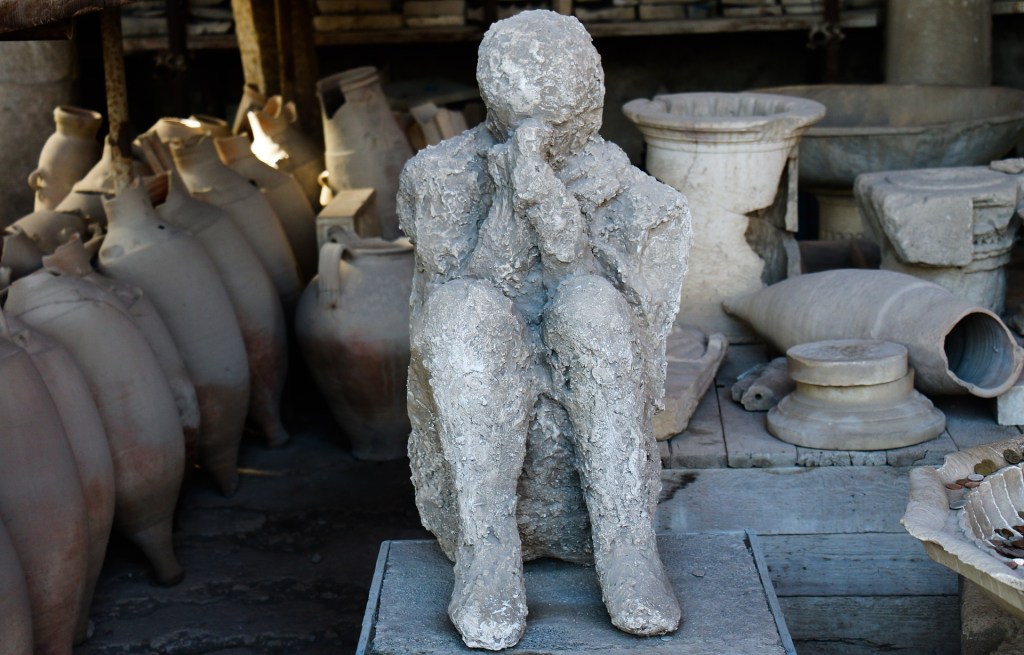
- Archaeologists found little air holes where the bodies of the people had once been. They made replicas of the positions people were in when they died by pouring plaster into the gaps that held their bodies.
- Archaeologists also found graffiti on walls written by people who lived in Pompeii. Over 11,000 graffiti samples have been uncovered. The marks and messages reveal a lot about life in the city.
Pompeii Today
- The rediscovered city of Pompeii is one of the most popular tourist attractions in Italy. The ruins of Pompeii are visited by over 2.5 million people each year.
- In 1997, the United Nations declared Pompeii a World Heritage Site. A World Heritage Site is any landmark or area that is considered to have cultural or historical significance.
- Over three million people live in the immediate area of Mount Vesuvius. People still live in Pompeii and many live close to the volcano. This makes it one of the most dangerous volcanoes in the world.
- Italian scientists and the government have technology that predicts an eruption 14 to 20 days before it happens.
- In 1971, rock band Pink Floyd recorded a live performance at the Roman Amphitheatre in Pompeii. They performed six songs and their audience was made up of the film’s production crew and some local children.
- Pompeii has been and continues to be excavated. At least a third of Pompeii still remains uncovered, meaning that there might still be more mystifying secrets to discover.
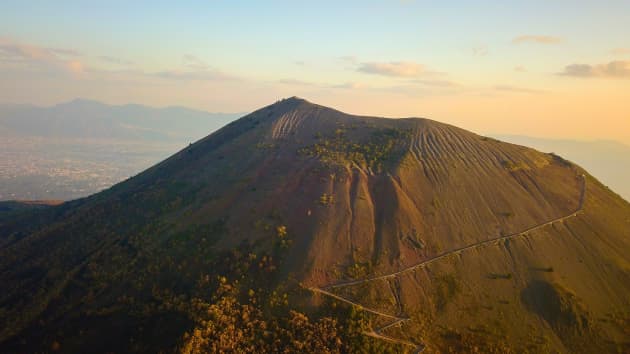
- You can hike to the top of Mount Vesuvius. But you might be disappointed, as you can’t see hot lava inside! Would you climb one of the most dangerous volcanoes in the world?
Eruption Timeline
August 24th, 79 AD
8A.M. – A cloud of gas appears from Mount Vesuvius and small earthquakes happen in Pompeii.
9A.M. – A small eruption happens.
1.00A.M. – A violent eruption happens and forms a massive ash cloud in the sky. Ash begins to fall on Pompeii.
3.00P.M. – Vesuvius spews its contents higher and higher. Rocks and hardened lava start to fall down on Pompeii. Some residents start to flee and others try to seek shelter to protect themselves.
5.30P.M. – Volcanic debris builds upon the roofs of buildings and causes them to collapse. Bigger chunks of rock plummet from the sky. Ash blocks the sunset causing darkness to fall the city.
August 25th, 79 AD
1A.M. – The eruption cloud is now 20 miles high. It bursts through windows and roofs, suffocating those hiding within.
4A.M. – The volcanic cloud is now 30 km high. It grows too heavy and starts to collapse and fall down to Earth. This sends superheated gas and ash down the volcano’s slopes to Herculaneum.
6.30A.M. – The toxic gases and burning ashes reach Pompeii and sweep over it, burying the city.
How did Pompeii stay preserved for so many years?
The ash preserved everything exactly as it was at the time of the disaster. This is due to the lack of air and moisture. This gave historians a vivid picture of life in the Roman Empire. Archaeologists even found pickle jars and loaves of bread in ovens!
The volcanic ashes have protected the city of Pompeii for thousands of years. But the combination of weather, pollution and tourists could start to destroy what has been found and preserved.
How many people were buried in Pompeii?
The exact number of people who died in Pompeii is uncertain. However, it’s estimated that at least 2,000 and as many as 16,000 people were buried. This was more than 13% of Pompeii’s population.
Around 1,500 bodies have been uncovered, but with further excavations, more are expected to be found.
Will Mount Vesuvius erupt again?
Vesuvius will eventually erupt again. Volcanologists say that the magma is developing and gradually rising.
Mount Vesuvius has a history of catastrophic eruptions around every 2,000 years. It’s almost been 2,000 years since the last one in 79AD and, next time, volcanologists predict huge eruptions.
The volcano is monitored 24 hours a day and there are emergency evacuation plans in place for the people who live near it.
How many volcanoes are there?
There are more than 1,500 active volcanoes on Earth and more than 80 volcanoes under the ocean. However, these are only the ones that have been discovered.
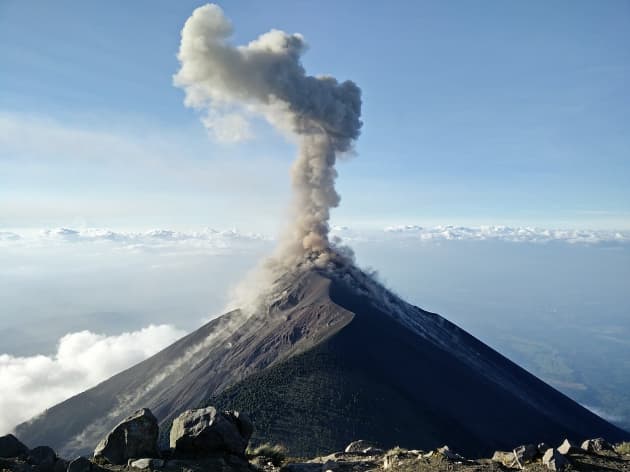
How are volcanoes formed?
Deep in the Earth, it’s extremely hot. This causes the rocks to melt and form magma, which makes up the mantle of the Earth.
The upper mantle mixes and moves, which creates pressure underneath the crust. This pressure can sometimes cause the mantle to leak out onto the surface of the earth. This is a volcano.
Over time, as this magma leaks out, the volcano will get bigger and bigger.
Why do Volcanoes erupt?
The Earth’s crust is made up of huge slabs called tectonic plates. They fit together like jigsaw puzzles and sometimes move.
The movement causes friction as the plates rub against each other. This creates resistance and, eventually, earthquakes and volcanic eruptions happen near the edges of the plate.
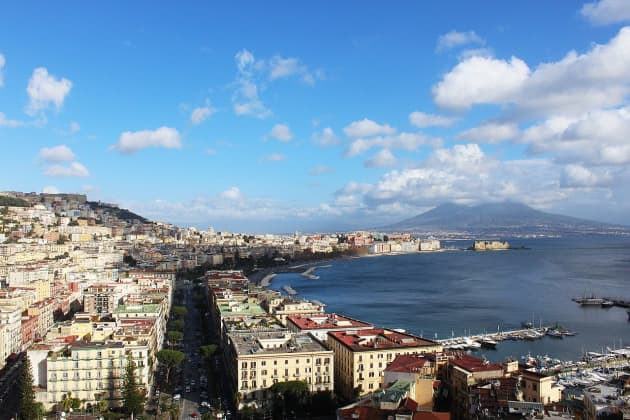
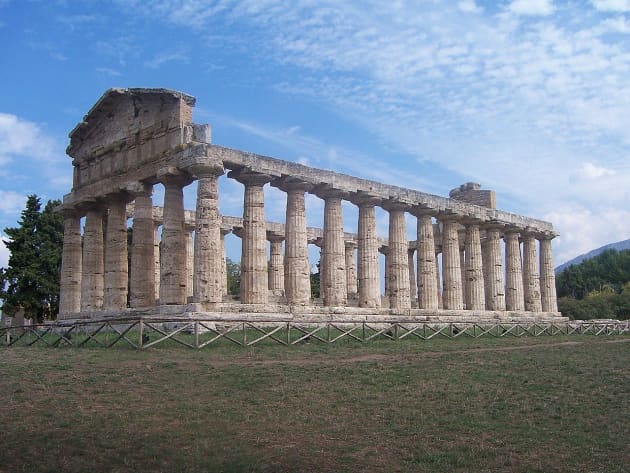
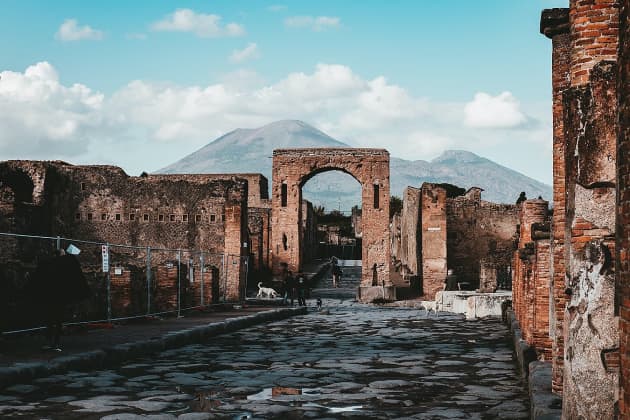
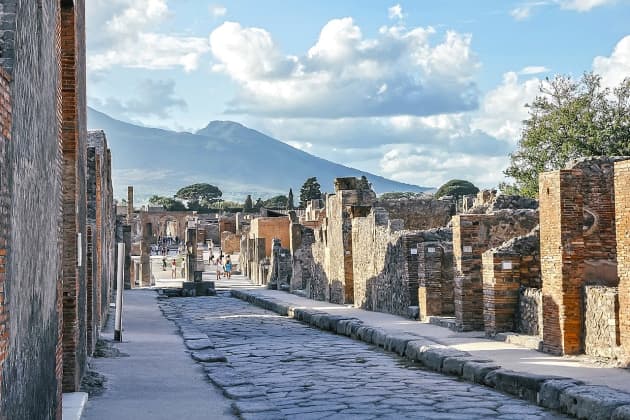
What does Pompeii look like?
https://www.dkfindout.com/uk/history/ancient-rome/pompeii/
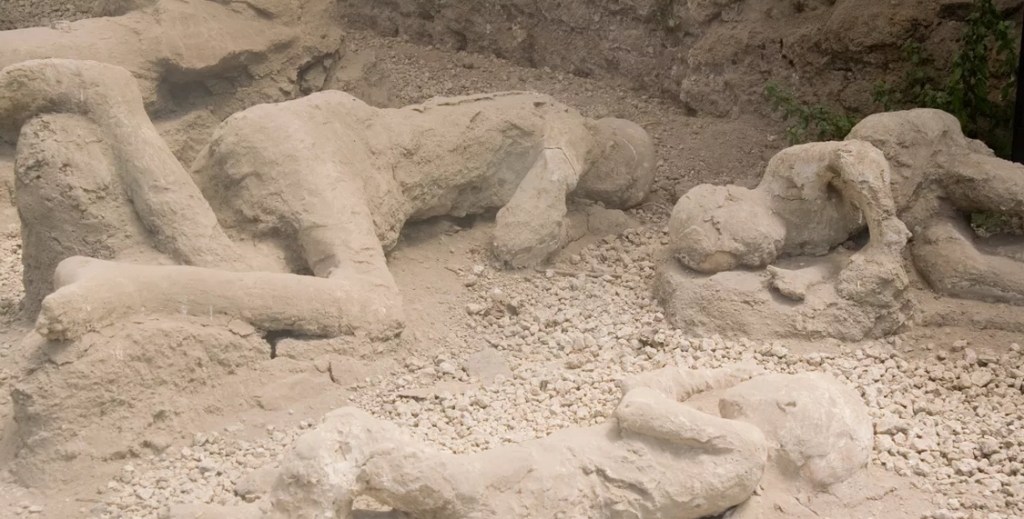
All the people within a certain radius were instantly killed by the heat of the explosion and their bodies have been preserved for centuries by the falling ash. When in Pompeii, you can see their mold at the entrance of the area.
https://www.bbc.co.uk/programmes/b072nxtm
 ukhomeschool