
No Smoking Day is an annual awareness day in the UK. Tt was founded by a charity of the same name and first took place on Ash Wednesday in 1984. The date was then changed to the second Wednesday in March. This means that in 2021, No Smoking Day will be celebrated on the 10th!
The purpose of No Smoking Day is to campaign for greater awareness about the health dangers associated with smoking.
The No Smoking Day charity was merged with the British Heart Foundation in 2011. It is now a mix of voluntary and governmental sector organisations.
How is No Smoking Day celebrated?
Each year, different themes are chosen to represent the aim of that year’s campaign – in 2010, for example, the theme that was chosen was ‘Break Free’.
Special messages, adverts and promotions are prepared in order to remind smokers and non-smokers to kickstart or remain on their quitting regime.
Throughout its years of running, No Smoking Day has seen some great results, with research showing that in 2009, 1 in 10 smokers quit on No Smoking Day that year.
What are the dangers of smoking?
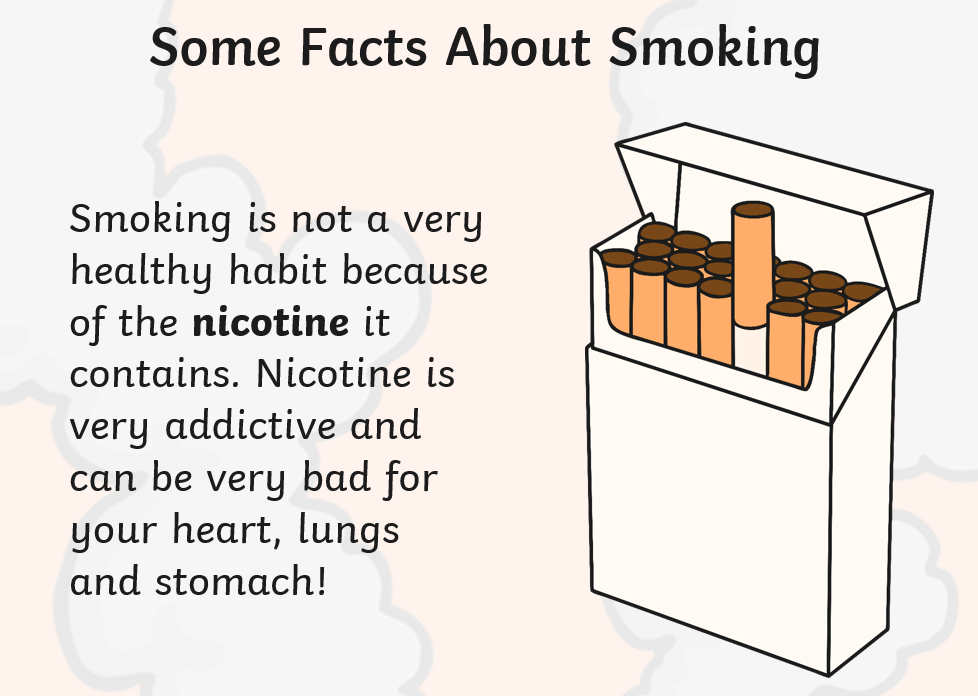
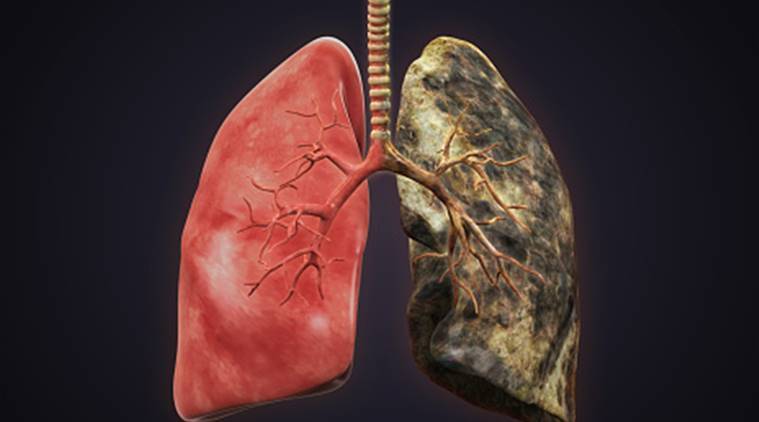
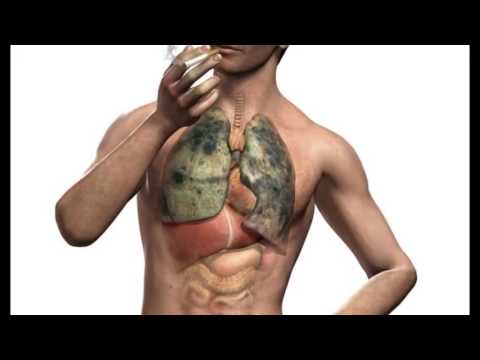
Smoking is a habit that is dangerous not just for the smoker but also for the people around them.
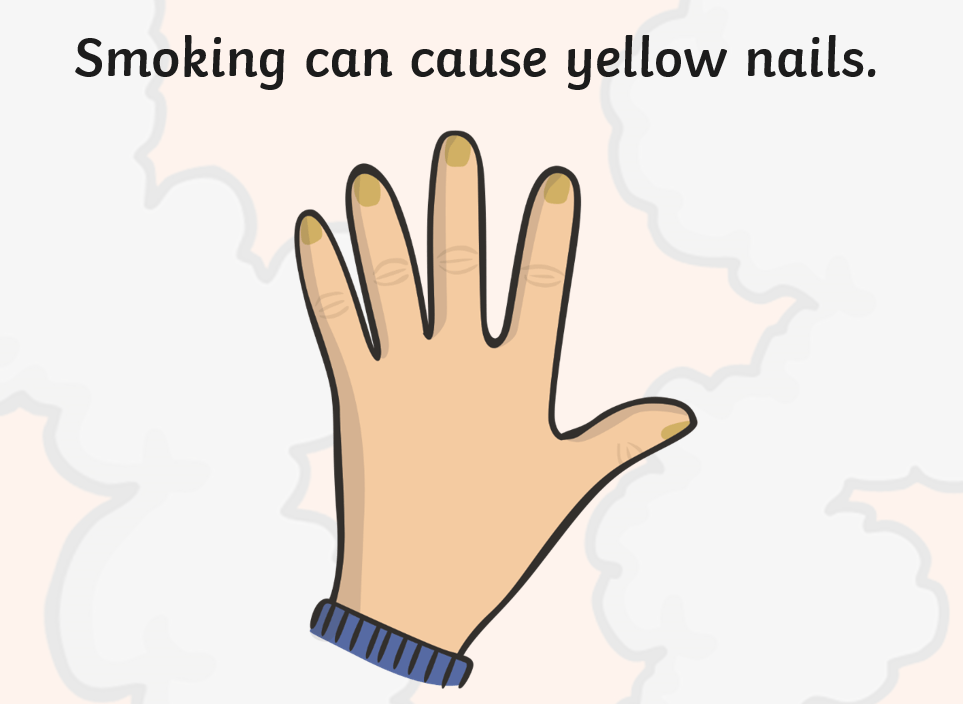
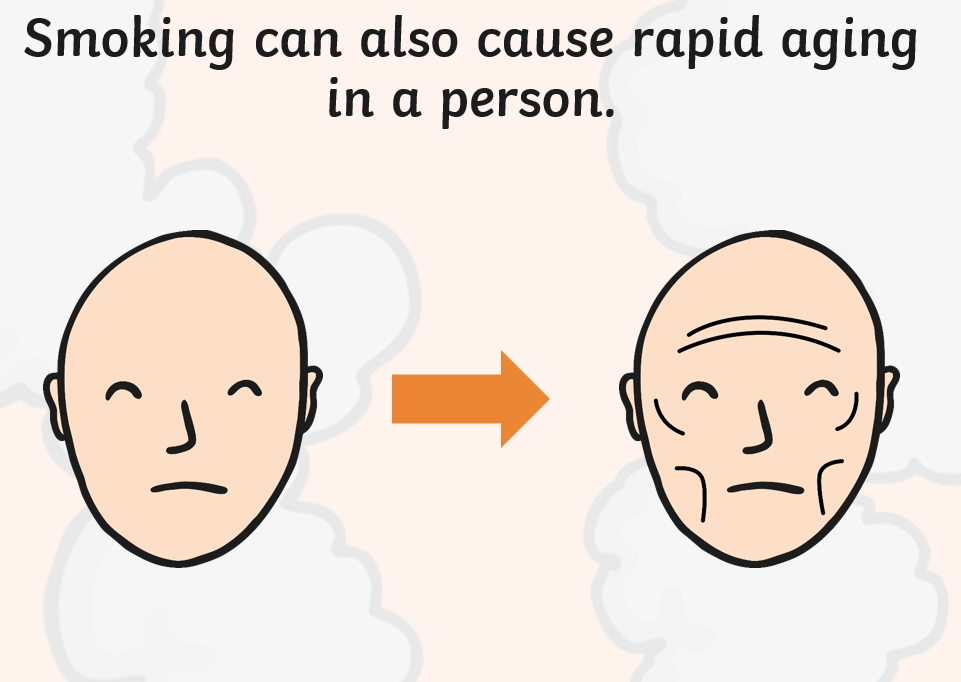
As well as boosting chances of harmful health afflictions such as many different types of cancer and heart disease, smoking cigarettes is addictive and will always prove financially detrimental in the short and long-term.
It is thought that 1 in every 2 smokers will die of a smoking-related disease.
Why do people smoke?
It’s important to remember that most smokers start for a reason! A number of factors can contribute towards a person’s reasons for smoking, ranging from mental health issues to addiction. Many smokers begin in their teenage years, whether it’s down to rebelling against their parents or peer pressure from their friends. No Smoking Day is a fantastic opportunity to highlight many of these issues, and by identifying why people smoke, we can help everyone understand and handle these problems before they arise!
Helping children understand why people smoke, and teaching them how they can avoid the same kinds of issues, maybe even showing them alternate ways of handling mental health problems or addictive habits are some of the fantastic ways that No Smoking Day can benefit children, especially those who are preparing to leave Primary School and embark on a new journey at Secondary School!
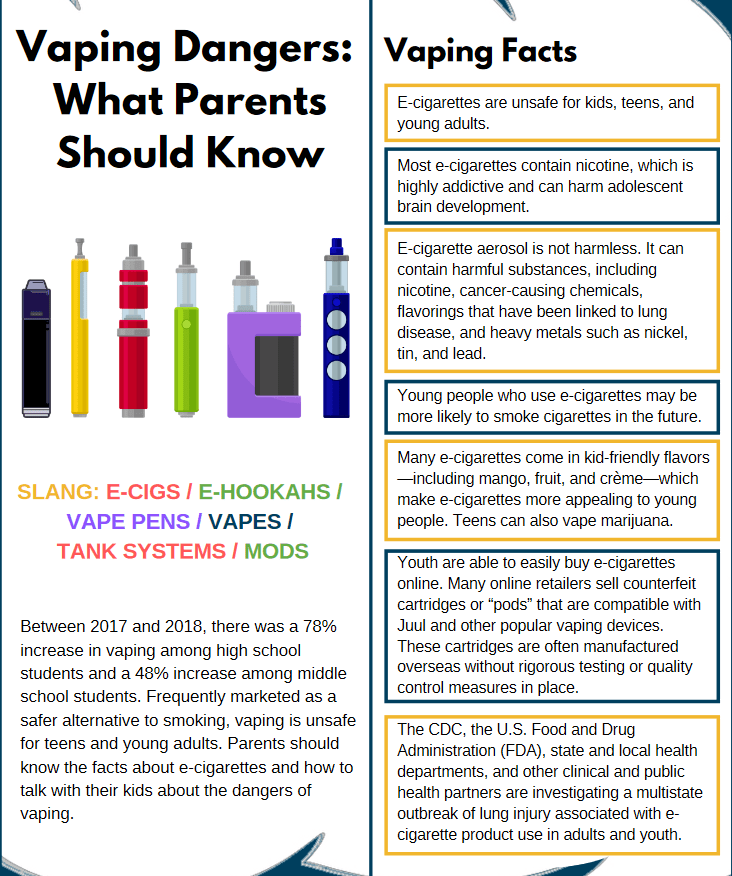
Vaping Dangers: What Parents Should Know
Have you heard of “vaping” or “juuling”? It’s the act of inhaling aerosol produced by e-cigarette devices, often containing nicotine, flavorings, and other chemicals. Frequently marketed as a safer alternative to smoking, vaping is unsafe for teens and young adults. Between 2017 and 2018, there was a 78% increase in vaping among high school students and a 48% increase among middle school students.
Parents should know the facts about e-cigarettes and how to talk with their kids about the dangers of vaping.
Vaping Facts
- E-cigarettes are unsafe for kids, teens, and young adults.
- Most e-cigarettes contain nicotine, which is highly addictive and can harm adolescent brain development.
- E-cigarette aerosol is not harmless. It can contain harmful substances, including nicotine, cancer-causing chemicals, flavorings that have been linked to lung disease, and heavy metals such as nickel, tin, and lead.
- Young people who use e-cigarettes may be more likely to smoke cigarettes in the future.
- Many e-cigarettes come in kid-friendly flavors—including mango, fruit, and crème—which make e-cigarettes more appealing to young people.
- Youth are able to easily buy e-cigarettes online. Many online retailers sell counterfeit cartridges or “pods” that are compatible with Juul and other popular vaping devices. These cartridges are often manufactured overseas without rigorous testing or quality control measures in place.
- The CDC, the U.S. Food and Drug Administration (FDA), state and local health departments, and other clinical and public health partners are investigating a multistate outbreak of lung injury associated with e-cigarette product use in adults and youth.
Tips for Parents
- Know the facts: Empower yourself to talk with your child about the dangers of vaping by knowing the facts with resources found at CDC.gov/e-cigarettes and E-cigarettes.SurgeonGeneral.gov.
- Talk to your child or teen about why e-cigarettes are harmful for them: Don’t assume that your child knows about the dangers of vaping. Talk with your child and share information.
- Remind and repeat: Teaching your child about the dangers of vaping won’t happen in one sitting. Consider this an ongoing conversation.
- Know what to look for: E-cigarettes come in various shapes and sizes. Some e-cigarettes can even appear similar to USB devices, like flashdrives.
https://e-cigarettes.surgeongeneral.gov/
 ukhomeschool