
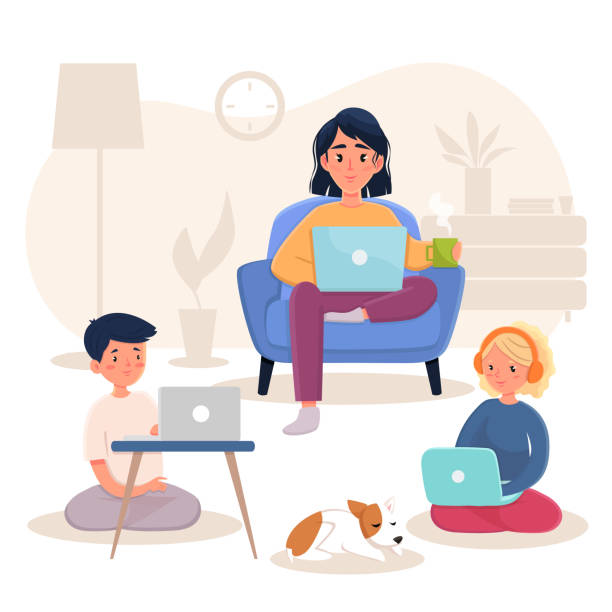
Homeschooling has some surprising benefits. Here’s how to start enjoying them!
Are you thinking about homeschooling but:
- Aren’t sure it’s for you?
- Don’t know where to start?
Then you’re in the right place!
“Is Homeschooling the Right Choice for My Child?”
The short answer: yes, it is, as long as you’re a committed and involved parent with normal intelligence and no history of serious mental illness!
You don’t need an impressive educational background or lots of money to succeed at homeschooling. Research has shown that parents with only a high school education or less can do about as good a job as those with advanced degrees, or education degrees.1 It has also shown that those who spend less than £200 per child per year on homeschool curriculum can get as good results as those who spend £400-£600 per child per year.2
The Unsung Benefits of Homeschooling
Homeschooling yields positive academic, social, emotional, and spiritual benefits for any family that gives it an honest chance. By now it’s no secret that all the research shows homeschooled children outstrip both their public- and private-school peers in every academic area. Less well known are these benefits:
Safety Benefits. Years ago, strangers used to ask me, “What about socialization?” Now, when I tell them I homeschool, they say, “I don’t blame you. The schools have become so dangerous!”
As a homeschooler, you won’t have to worry about who is taking guns and knives to your local school. Your child also won’t have to fear school bullies. According to a press release we received early this year:Six out of ten American teenagers witness bullying in school once a day or even more frequently, reported John A. Calhoun, President and CEO of the National Crime Prevention Council (NCPC). The national group… released findings from a survey conducted by Wirthlin Worldwide that show that bullying is the terrorist threat that most frightens America’s teenagers and interferes with their education. Young people are far less concerned about external terrorist attacks on their schools and communities than they are about the bully terrorizing them and their classmates in the hallways and classrooms of their schools.
Less Exposure to Alcohol and Drugs. Most kids don’t get their drugs at home. They get them at or near school. According to a study conducted by the National Center for Substance Abuse, and reported in Family Research Council’s Washington Update online newsletter, “5 million high schoolers – 31% – say they “binge drink” at least once a month… A teenager who starts drinking at 15 is four times more likely to become alcohol dependent than one who waits until the legal age to drink.” Add to this the huge numbers of kids abusing inhalants, street drugs, and even their classmates’ Ritalin, and it’s a problem many of us would just as soon avoid.
Emotional Benefits. Emotional bullying-name calling, mockery, and humiliation-can be just as devastating as physical bullying. Smart kids, special-needs kids, and anyone unlucky enough to appear “different” can expect a steady diet of this negative emotional input in a typical school. Since research has shown that kids need to feel safe in order to learn, simply removing a child from the emotional pressure cooker of peer pressure, gangs, and cliques may produce enormous learning gains all by itself.
Ritalin-Free Kids. Boys get a double dose of labeling, as schools increasingly label typical male behavior as “ADD” or “ADHD.” In fact, any child with low body fat (making it uncomfortable to sit still for long periods in a hard chair) is at risk of being labeled “ADD” or “ADHD,” which in turn leads to pressure put on parents to medicate perfectly normal children with psychoactive drugs such as Ritalin, Adderall, or even Prozac. At home, kids can sit on a nice soft couch, lie on the rug, or run around when they need to burn off energy. Homeschool parents also tend to learn child training methods that work, if only for self preservation! Instead of blaming the kids’ behavior on invisible “disorders” that are undetectable by any medical test3, homeschoolers learn to accept a wider range of normal behavior. Kid still misbehaving? Don’t pay big bucks to a psychiatrist or open a self-help book. Ask any veteran homeschool mom with a big family. She’ll tell you what works!
Removes Sexual Pressure. According to a recent survey from the National Campaign to Prevent Teen Pregnancy, 81 percent of kids aged 12-14 – including those who have lost their chastity – believe that kids today are pressured to have sex too early. Younger and younger kids are trying to dress and act sexy as well. Both school culture and sex-ed classes promote the idea that “everyone is doing it” and that this is OK. And don’t assume this is not true in your local Christian or Catholic school, unless the administration is making a real effort to keep things simple and sweet. In homeschool, parents can wait until their children are of a reasonable age to learn the facts of life. At home, parents are also free to add morals and Scriptural teaching to the mix.
Builds Family Bonds. Homeschooling brings families closer together. Kids thrive under parental attention, and parents get to really know their kids. Homeschooled siblings tend to be more kind and helpful to each other, also.
Better Preparation for the Real World. Modern schools only seem normal to us because we have been brought up from birth to accept them. Actually, they are highly unnatural environments. Where else in your life will you have to spend all day with a group of 15 to 35 people of your same age, doing activities that never yield any usable result? In the real world, you are with people of different ages, working together on real projects. Families are more like this than schools are. And it’s easier to give homeschooled kids real-world adventures, such as participating in community theatre, volunteering in a hospital, etc.
The Best Environment for Spiritual Training.
In the New Testament, the followers of Christ are called “disciples,” not “students.” There’s a reason for that! Disciples observe and model their teacher’s behavior. Students merely study; the word implies they receive information, not application. At home, your children can see you apply your beliefs, and hear what you think about life’s various experiences, if they have the chance to be around you enough.
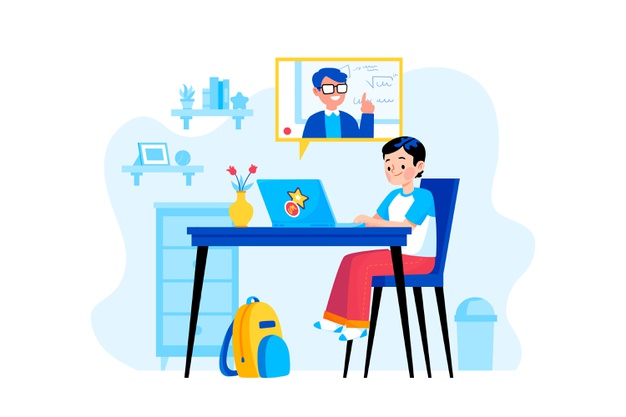
“So, Where Do I Start?”
http://www.home-education.org.uk/
http://www.home-education.org.uk/resources.htm
How To Find UK Homeschooling Groups On Facebook
To find your local UK homeschooling support group, type in “homeschooling XYZ” into the Facebook search bar (where XYZ is your local area or county). This will pull up groups with other homeschoolers who live near to you, and reaching out to people in this group to ask about meet ups or seeing if anyone wants a play date, is a great way to start growing your homeschooling social circle and support network.
You will also be able to ask about local academic, arts, sports and social meet-ups within these Facebook groups- there will often be extra-curricular type clubs specifically for home educators.
National home educating groups are also invaluable, both for finding resources that other parents may be using and connecting with other homeschooling families. These are groups that I belong to or have been recommended to me by other home educating families:
Home Education UK. This is the largest UK home educators’ Facebook group with plenty of activity; questions about homeschooling styles, resources, law and more.
Home Schooling UK. This is currently the second largest Facebook group for homeschoolers in the UK and within its files are excellent and long lists of local groups by district in England, Northern Ireland, Scotland and Wales. There are also lists of groups for special interests such as crafting, cookery and photography, as well as links to groups for children with special education needs.
Homeschooling UK is another group with over 5000 members where people post questions and recommendations for homeschool parents.
How To Find UK Homeschooling Groups Close To You Without Facebook
If you’re not on Facebook I really recommend you join even for a short while to connect with other homeschooling families; it is simply the quickest and easiest way to find other home educators. Once you have done that you can find nearby meet-ups and start getting to know people in real life, and support circles often naturally emerge from there- home educators tend to know other home educators, it’s a small(ish) world!
If you don’t want Facebook at all, check in your local area to see if there are libraries, museums or other attractions that host homeschool sessions (a local art shop in our area runs one, for example) and go along to them to meet other homeschoolers.

Creating Your Own Homeschool Support Group
Just as important as meeting up with other home educators for day to day socialisation and activities, is carving out time when home educating parents can connect on an adult level and offer each other deeper emotional support.
Homeschooling obviously means that we are with our children most of the time, and having evenings when you can enjoy a meal and talk about careers, relationships, dreams and struggles is really very important for homeschooling parents just as it is for any parent.
Our local group of homeschool parents regularly meets up for meals and getting into this habit is a really good and valuable idea. You could take turns meeting at each others’ homes every few weeks, or book a table for drinks or dinner.
However you do it, make the effort to connect with other home educating parents on a deeper level than just your child’s friend’s parent. There are very few people who fully understand what homeschooling is like so these relationships are priceless!
Homeschooling obviously means that we are with our children most of the time, and having evenings when you can enjoy a meal and talk about careers, relationships, dreams and struggles is really very important for homeschooling parents just as it is for any parent.
Our local group of homeschool parents regularly meets up for meals and getting into this habit is a really good and valuable idea. You could take turns meeting at each others’ homes every few weeks, or book a table for drinks or dinner.
However you do it, make the effort to connect with other home educating parents on a deeper level than just your child’s friend’s parent. There are very few people who fully understand what homeschooling is like so these relationships are priceless!
Finding information
There are several home education websites that may be helpful to you:
- Education Otherwise
- Home Education Advisory Service (HEAS)
- Educational Freedom
- Home Education UK
- Ed Yourself home education consultancy
https://www.edplace.com/homeschooling/communities-support
- Locate your local homeschool group.
- Locate your local support group.
- Join other homeschoolers online. https://www.facebook.com/groups/239232119524989
- Read “how to” books about homeschooling. https://www.cgpbooks.co.uk/
- Locate curriculum providers. T (software, online, or print curriculum)
https://www.superteacherworksheets.com/
- Go to your local teacher’s store. They have great workbooks, educational toys and games, and school supplies.
resources
http://www.home-education.org.uk/resources-educational.htm
I hope this post has given you some ideas for finding UK homeschool support groups; the chances are that no matter what you are going through, someone else will be going through it too so sharing your highs and lows really is beneficial for everyone.
 ukhomeschool