
lesson
Trade and Economics | What Do We Trade?
I can explain the UK’s trade links with other countries.
I can explain what trading is.
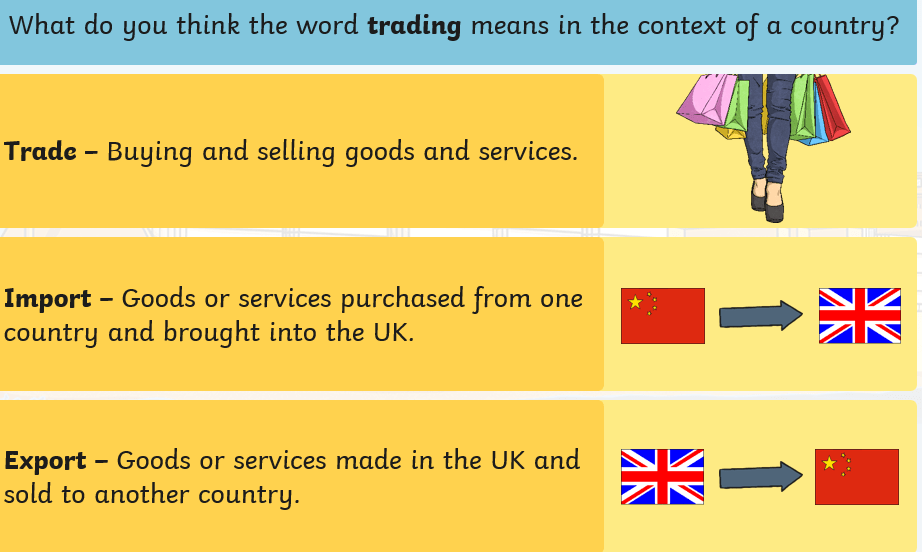
I can explain the difference between imports and exports.
I can explain why countries need to import goods.
I can list some goods exported from the UK.
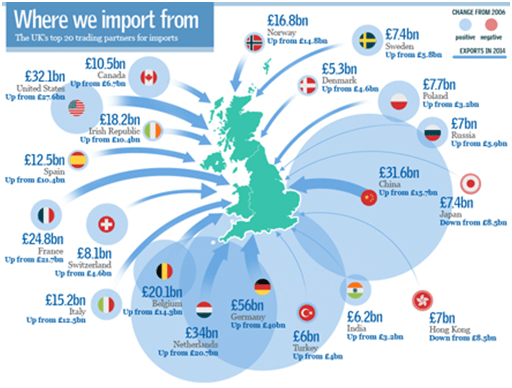
I can list some goods imported to the UK.
Most socially conscious consumers are drawn to fair trade labels for their promise of ethically made goods. But with the wide variety of labels and claims out there, it can be hard for retail buyers and their customers to make sense of all the marketing and wording.
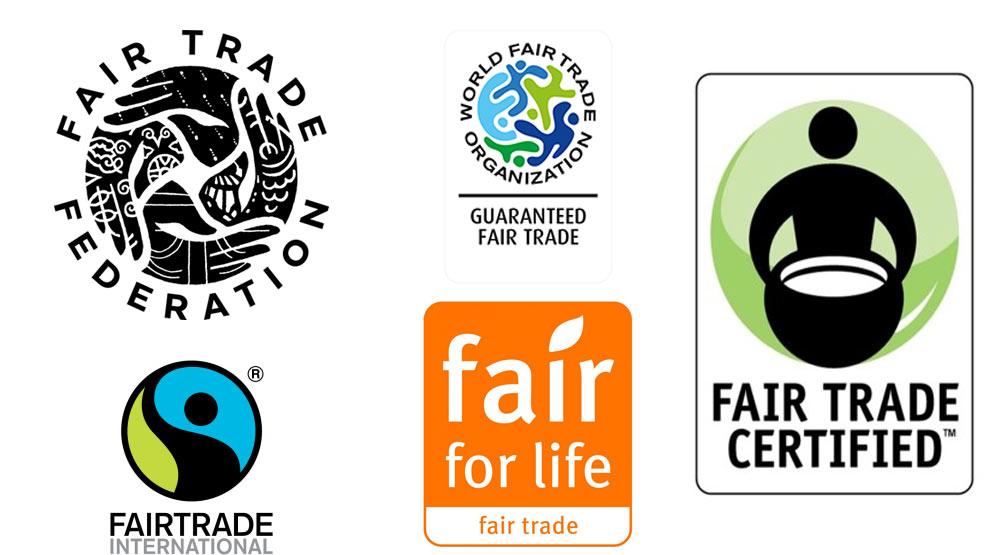
What is Fair Trade?
Fair Trade is a method of buying and selling of farmed goods that ensures all farmers are paid a fair price for what they produce and sell. Fair Trade aims to ensure that producers in developing nations should be treated with respect and paid fairly when trading with more prosperous, developed countries.
A price is defined as fair when it enables the recipient to enjoy a sufficient quality of life.
In the words of the World Fair Trade Organisation:
“Fair Trade is a tangible contribution to the fight against poverty, climate change, and global economic crises.”
What are the Core Principles of Fair Trade?
- “Trade not aid”. This is a phrase that sums up the belief that people should be empowered to improve their circumstances through trade, rather than being reliant on charity from richer countries.
- All producers are entitled to safe and dignified working conditions, free from discrimination of any kind.
- To be considered Fair Trade, transactions must benefit all parties. Trading arrangements should be based on financial partnership, trust, and mutual growth.
- Businesses in developed countries must take into account their social and ethical responsibilities when dealing with small producers, as well as commercial goals.
When Did Fair Trade Begin?
The Fair Trade movement was founded by Edna Ruth Byler in 1946.
While on holiday in Puerto Rico, she began buying needlework art from local women after seeing how they struggled to support their families. Their embroidery was beautiful, but there was little to no market for it.
To help, Byler bought as many items as she could and took them back home to Pennsylvania on the back seat of her car. Back in the USA, she sold the pieces to neighbours and loved ones, telling the stories of the women who made them wherever she went.
Eventually, Edna Byler formed Ten Thousand Villages – the first non-profit organisation built on the principle of Fair Trade – to continue her work on a greater scale. Byler is recorded to have said about her work:
“I’m just a woman trying to help other women.”
This simple statement helped to launch the worldwide Fair Trade movement.
Europe’s Fair Trade Origins
In Britain, Oxfam was the first organisation to promote Fair Trade. It was selling crafts made by Chinese refugees in its shops as early as the 1950s. Its shops have been raising awareness of the Fair Trade mission and giving producers a voice for well over half a century.
And it was in the Netherlands that the idea of Fair Trade coffee first originated. In 1973, an organisation called Fair Trade Original became the first to import coffee from independent growers when they struck a trading partnership with a farming collective in Guatemala.
Today, half of all money taken by Fair Trade organisations in the Northern Hemisphere comes from coffee sales. It is thought that hundreds of thousands of farmers across the world have benefitted from the initiative.
What’s the Difference Between Fair Trade or Fairtrade?
There is a difference between Fair Trade and Fairtrade.
Fair Trade is the umbrella term given to the concept of mutually beneficial trading arrangements between developed and undeveloped nations.
Fairtrade is an independent non-profit organisation (one of many around the world) that works to improve the lives of workers in poorer countries by raising awareness and building ethical trade links.
How Does Fairtrade Help Farmers?
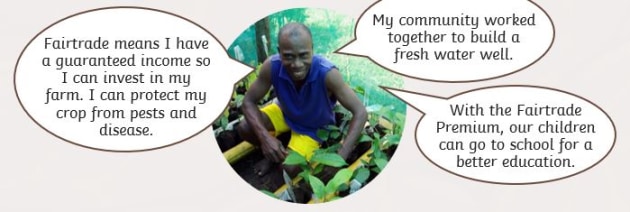
Through learning about Fair Trade, KS2 children will develop their understanding of how Fair Trade helps farmers, and therefore why it’s important. Fairtrade helps farmers, miners and workers around the world in lots of different ways. These can be summarised under 3 different headings:
Economic Benefits of Fairtrade:
- One of the main ways in which Fairtrade helps farmers is with their Minimum Price requirement. This means that in order for a product to be certified as a Fairtrade product, farmers must be paid at least the minimum price set by the Fairtrade Foundation, which helps to ensure income security for the farmers and makes them less vulnerable to poverty.
- Better wages help to empower communities which helps them to arrange into cooperatives which improves their position in markets and puts them in a better negotiating position.
- By increasing financial stability amongst these communities, Fairtrade helps farmers and workers gain access to more training and better machinery. Things like this also feed into more development for these organisations which will allow them to grow and make more money.
Environmental Benefits of Fairtrade:
- The standards of the Fairtrade Foundation also contribute towards maintaining local biodiversity and ecosystems and preventing environmental degradation. They aim to reduce greenhouse gas emissions, improve water and soil quality, pest and waste management, and preventing the use of harmful genetically modified organisms being used in farming.
- Another way that Fairtrade helps farmers is by facilitating training in eco-friendly practices such as maintaining good, bio diverse soil that’s full of nutrients. This is important for maintaining a healthy eco-system where healthy plants can grow.
- The Fairtrade Standards also encourage farmers to use non-toxic pesticides, which is also beneficial for the environment and for consumers.
Social Benefits of Fairtrade:
- The economic and environmental benefits of Fairtrade help farmers to have more control and more power over their lives.
- Fairtrade supports workers rights, racial equality and gender equality.
- All of this improves social mobilities for fair trade farmers, workers and miners.
To take a closer look at Fairtrade in action, then take a look at this Case Study of a Fairtrade Cocoa Farmer.
We also have this Differentiated Fairtrade Fact File which caters to all abilities. Why not try a selection of these Fairtrade resources this Fairtrade Fortnight? This event is the perfect opportunity to teach kids all about what it is and why it’s important!
Is Fairtrade Really Fair?
There are some people that question the extent to which Fairtrade helps farmers, and not everyone agrees that the work Fairtrade does is wholly positive.
Phillip Booth from the Institute of Economic Affairs believes Fairtrade makes false claims about its investment in social projects.
Rather than re-investing the money it generates from consumers, he argues:
“… only about 50 percent… is available to spend on social projects, and others have suggested a figure much closer to zero. No clear evidence has been produced to suggest that farmers themselves actually receive higher prices under Fairtrade.”
In response, Fairtrade maintains that its mission is to combat the “injustices of conventional trade” and sees their work as “a step in the right direction” rather than an instant solution to global poverty.
How Does Fair Trade Work Today?
Currently, there are well over a million independent producers working with grassroots, non-profit organisations in 70 countries around the world.
By partnering with businesses in the developed world, small-scale operations in even the poorest and most remote areas gain access to a global marketplace. This allows them to trade and improve their lives.
The packaging on Fair Trade products often features personal stories from the people who made them. This has played an important role in connecting with consumers on a personal level and raising awareness of the Fair Trade mission.
A diverse range of products including coffee, chocolate, tea, sugar, rugs, baskets, birdhouses, rugs, and diaries are sold in thousands of Fair Trade affiliated shops and online outlets.
 ukhomeschool