
This experiment is designed to show the effects of different liquids on teeth. We used eggs because similar to teeth, eggshells contain calcium compounds. We prepared 4 glasses with 4 different liquids: cherry juice drink, vinegar, coffee and blackcurrant juice drink. We dropped four eggs into each glass and left them there for 24 hours to conduct the experiment. All drinks did not visibly damage eggs but coloured them into different colours. Later we tried to clean them using toothpaste, but you can still see some discolourization even after brushing. On the other hand, vinegar has weakened the shell, making it soft. No toothpaste will help to restore that effect! Anyway, we encourage you to try the same experiment with the drinks you have at home to see what effect they have on teeth (eggs) and we hope this would motivate more vigorous teeth brushing (:
Tooth decay is damage to a tooth caused by dental plaque turning sugars into acid. If plaque is allowed to build up, it can lead to problems, such as holes in the teeth (dental caries) and gum disease. Dental abscesses, which are collections of pus at the end of the teeth or in the gums, may develop.
Symptoms of tooth decay
Tooth decay may not cause any pain.
But if you have dental caries, you might have:
- toothache – either continuous pain keeping you awake, or occasional sharp pain without an obvious cause; it can sometimes be painless
- tooth sensitivity – you may feel tenderness or pain when eating or drinking something hot, cold or sweet
- grey, brown or black spots appearing on your teeth
- bad breath
- an unpleasant taste in your mouth
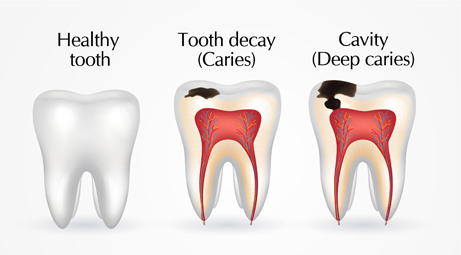
What causes tooth decay
Your mouth is full of bacteria that form a film over the teeth called dental plaque.
When you consume food and drink high in carbohydrates, particularly sugary foods and drinks, the bacteria in plaque turn the carbohydrates into energy they need, producing acid at the same time.
The acid can break down the surface of your tooth, causing holes known as cavities.
Once cavities have formed in the enamel, the plaque and bacteria can reach the dentine, the softer bone-like material underneath the enamel.
As the dentine is softer than the enamel, the process of tooth decay speeds up.
Without treatment, bacteria will enter the pulp, the soft centre of the tooth that contains nerves and blood vessels.
At this stage, your nerves will be exposed to bacteria, usually making your tooth painful.
The bacteria can cause a dental abscess in the pulp and the infection could spread into the bone, causing another type of abscess.
An abscess is a painful collection of pus, usually caused by a bacterial infection. Abscesses can develop anywhere in the body.
This article focuses on 2 types of abscess:
- skin abscesses – which develop under the skin
- internal abscesses – which develop inside the body, in an organ or in the spaces between organs
Symptoms of an abscess
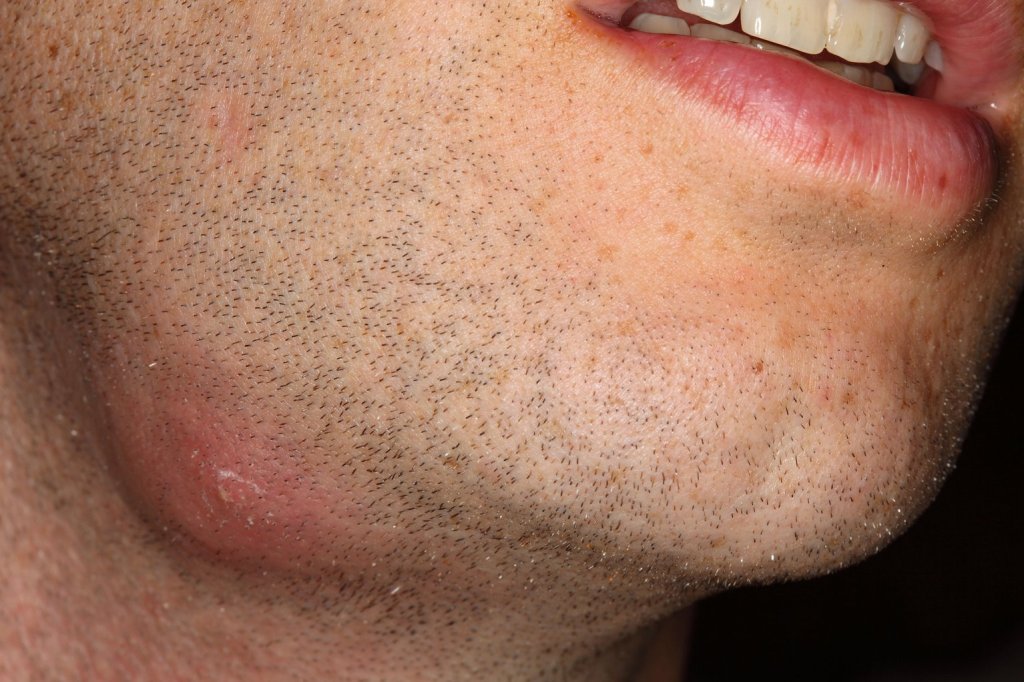
A skin abscess often appears as a swollen, pus-filled lump under the surface of the skin. You may also have other symptoms of an infection, such as a high temperature and chills.
How to Clean Your Teeth and Gums
- Gently brush your teeth on all sides with a soft-bristle brush and fluoride toothpaste. Replace your toothbrush every 3 to 4 months.
- Use small circular motions and short back-and-forth strokes.
- Brush carefully and gently along your gum line.
- Lightly brush your tongue or use a tongue scraper to help keep your mouth clean.
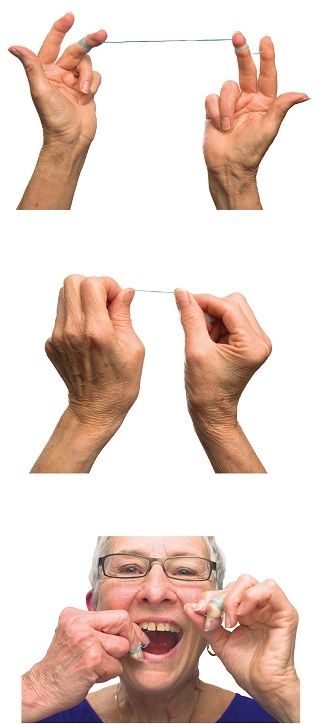
- Clean between your teeth with dental floss, prethreaded flossers, a water flosser, or a similar product. This removes plaque and leftover food that a toothbrush can’t reach.
- Rinse after you floss.
People with arthritis or other conditions that limit hand motion may find it hard to hold and use a toothbrush. Some helpful tips are:
- Use an electric or battery-operated toothbrush.
- Buy a toothbrush with a larger handle.
- Attach the toothbrush handle to your hand with a wide elastic band.
 See your dentist if brushing or flossing causes your gums to bleed or hurts your mouth. If you have trouble flossing, a floss holder may help. Ask your dentist to show you the right way to floss.
Dentures
Sometimes, false teeth (dentures) are needed to replace badly damaged teeth or teeth lost because of gum disease. Partial dentures may be used to fill in one or more missing teeth. Dentures may feel strange at first. In the beginning, your dentist may want to see you often to make sure the dentures fit. Over time, your gums will change shape, and your dentures may need to be adjusted or replaced. Be sure to let your dentist handle these adjustments.
Be careful when wearing dentures because it may be harder for you to feel hot foods and drinks or notice bones in your food. When learning to eat with dentures, it may be easier if you:
- Start with soft, non-sticky food.
- Cut your food into small pieces.
- Chew slowly using both sides of your mouth.
Keep your dentures clean and free from food that can cause stains or bad breath. Avoid small crunchy foods that can get trapped under the dentures and hurt your gums. Brush dentures every day with a denture-care product, and soak them in water or a denture-cleansing liquid at night. Be sure to leave them out of your mouth while you sleep to prevent swollen gums.
Dentures
Sometimes, false teeth (dentures) are needed to replace badly damaged teeth or teeth lost because of gum disease. Partial dentures may be used to fill in one or more missing teeth. Dentures may feel strange at first. In the beginning, your dentist may want to see you often to make sure the dentures fit. Over time, your gums will change shape, and your dentures may need to be adjusted or replaced. Be sure to let your dentist handle these adjustments.
Be careful when wearing dentures because it may be harder for you to feel hot foods and drinks or notice bones in your food. When learning to eat with dentures, it may be easier if you:
- Start with soft, non-sticky food.
- Cut your food into small pieces.
- Chew slowly using both sides of your mouth.
Keep your dentures clean and free from food that can cause stains or bad breath. Avoid small crunchy foods that can get trapped under the dentures and hurt your gums. Brush dentures every day with a denture-care product, and soak them in water or a denture-cleansing liquid at night. Be sure to leave them out of your mouth while you sleep to prevent swollen gums.
Dry Mouth
Dry mouth happens when you don’t have enough saliva, or spit, to keep your mouth wet. It can make it hard to eat, swallow, taste, and even speak. Dry mouth can increase your risk of tooth decay, fungal infections of the mouth, and cavities. Many common medicines can cause this problem. For example, medicines for high blood pressure, depression, and bladder-control issues often cause dry mouth.
Oral Health Resources for Caregivers
Download these tips on oral health for older adults and caregivers from the National Institute of Dental and Craniofacial Research.
There are things you can do that may help. Try sipping water or sugarless drinks. Don’t smoke, and avoid alcohol, caffeine, soft drinks, and acidic fruit juices. Avoid spicy or salty foods. Sugarless hard candy or sugarless gum that is a little tart may help. Your dentist or doctor might suggest using artificial saliva to keep your mouth wet.
Oral Cancer
Oral cancer can start in any part of the mouth or throat, including the tongue. It is more likely to happen in people over age 40. A dental checkup is a good time for your dentist to look for signs of oral cancer. Pain is not usually an early symptom of the disease. Treatment works best before the disease spreads. Even if you have lost all your natural teeth, you should still see your dentist for regular oral cancer exams.
You can lower your risk of getting oral cancer in a few ways:
- Do not use tobacco products, such as cigarettes, chewing tobacco, snuff, pipes, or cigars.
- If you drink alcohol, do so only in moderation.
- Use lip balm with sunscreen.
- Electronic cigarettes (e-cigarettes) are relatively new, and scientists are still learning about their long-term health effects. However, we do know e-cigarette vapor contains cancer-causing chemicals.
 ukhomeschool