
https://www.nhs.uk/conditions/tuberculosis-tb/
What causes a tuberculosis?
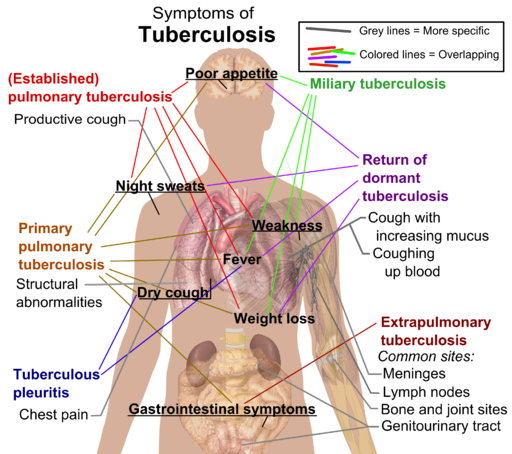
Tuberculosis (TB) is caused by a type of bacterium called Mycobacterium tuberculosis. It’s spread when a person with active TB disease in their lungs coughs or sneezes and someone else inhales the expelled droplets, which contain TB bacteria.
What happens if you tuberculosis?
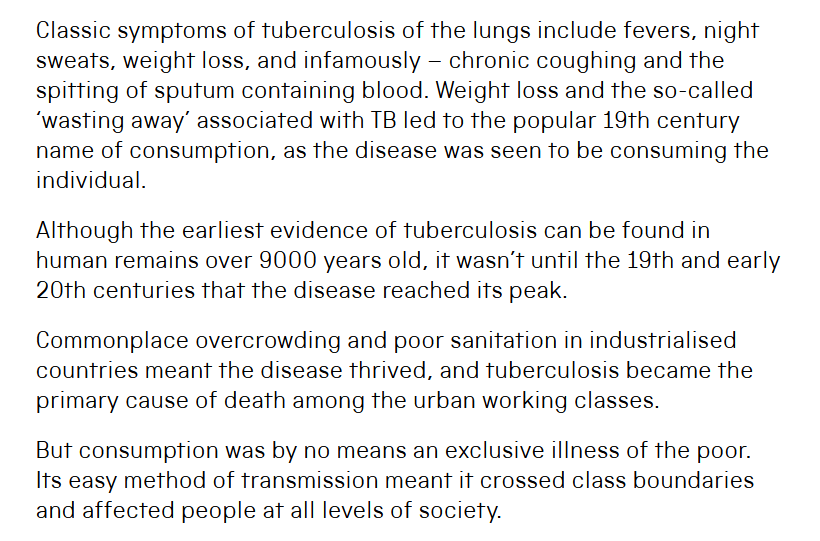
The general symptoms of TB disease include feelings of sickness or weakness, weight loss, fever, and night sweats. The symptoms of TB disease of the lungs also include coughing, chest pain, and the coughing up of blood. Symptoms of TB disease in other parts of the body depend on the area affected.
Why tuberculosis is serious?
The bacteria usually attack the lungs, but TB bacteria can attack any part of the body such as the kidney, spine, and brain. Not everyone infected with TB bacteria becomes sick. As a result, two TB-related conditions exist: latent TB infection (LTBI) and TB disease. If not treated properly, TB disease can be fatal.
Who is at high risk for TB?
Persons with low body weight (<90% of ideal body weight) People who use substances (such as injection drug use) Populations defined locally as having an increased incidence of disease due to M. tuberculosis, including medically underserved and low-income populations.
What are 5 causes of tuberculosis?
Risk factors for TB include:
- Poverty.
- HIV infection.
- Homelessness.
- Being in jail or prison (where close contact can spread infection)
- Substance abuse.
- Taking medication that weakens the immune system.
- Kidney disease and diabetes.
- Organ transplants.
Does tuberculosis go away?
Most people with TB disease will need to take TB medicine for at least 6 months to be cured.
How does TB cause death?
“Eventually, liquid replaces the lungs, the suffering patients cannot get enough oxygen, and respiratory failure occurs, they can no longer breathe and they drown. It’s painful, it’s drawn out. It’s an awful way to die.
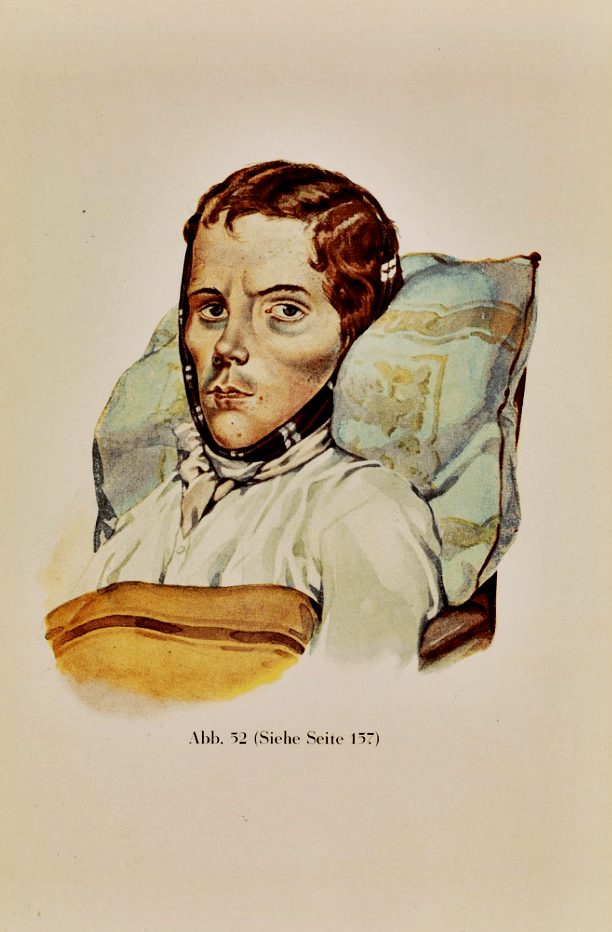
Man suffering from pulmonary tuberculosis. Illustration from Kranken-Physiognomik / by von K. H. Baumgärtner / 1929. Credit: Wellcome Collection
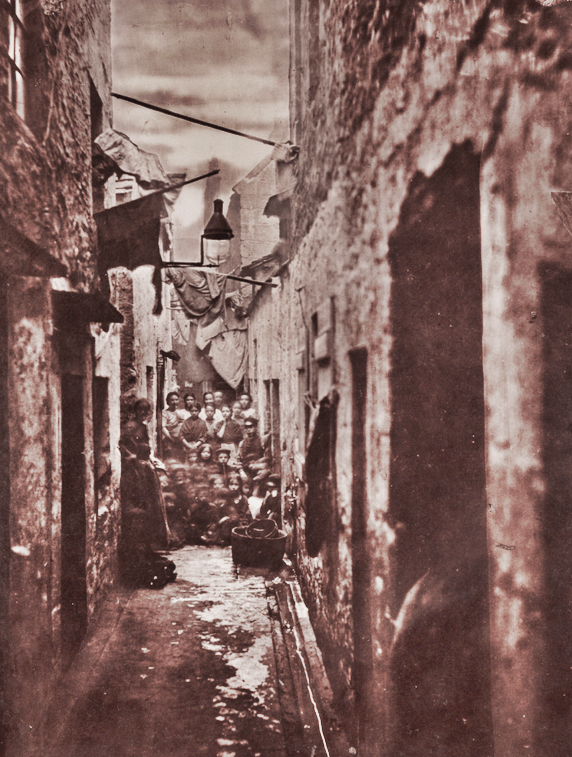
Crowd of women and children gathered together behind No. 118 High Street in Glasgow, taken by Thomas Annan in 1868.
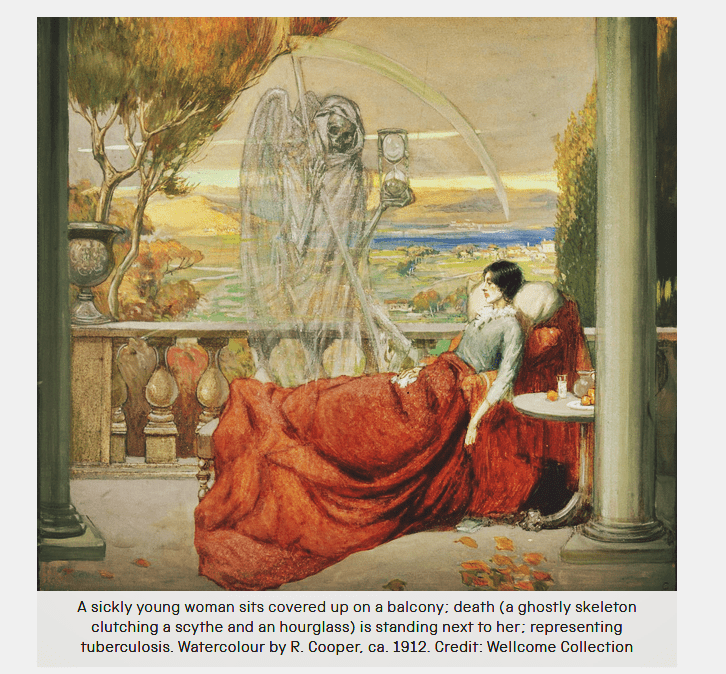
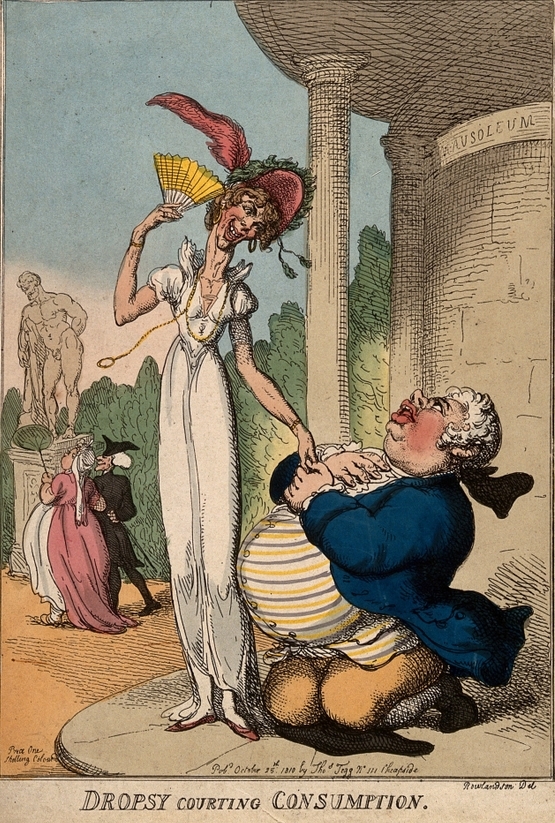
Symbolical figures of ‘dropsy’ and ‘consumption’ flirting outside a mausoleum. Credit: Wellcome Collection


Anti-spitting sign, 1900-1920
What is a spittoon used for?
Due to the widespread use of chewing tobacco in the 19th century, spittoons were a common fixture in public areas, including railroad stations. Their intended purpose was collecting tobacco juice spit from a distance; so typically, they were built heavy and low to the ground, with a wide mouth or funneled top.

When did spittoons stop being used?
Spittoons — The once-ubiquitous receptacles for chewing tobacco and phlegm all but disappeared from public spaces by the mid-20th century, after a global tuberculosis outbreak
 ukhomeschool