
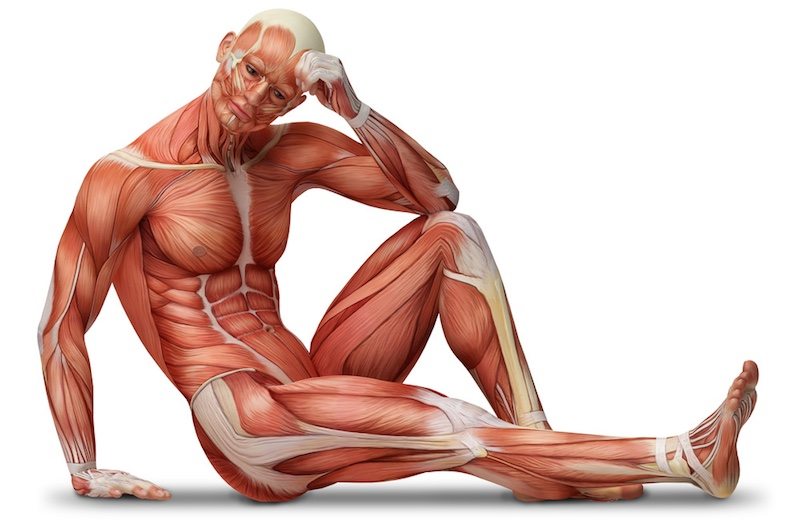
The humerus is the bone in your upper arm that’s located between your elbow and your shoulder. Its main function is to provide support for your shoulder and a wide variety of movements for your arm. Fractures are the most common injury to the humerus, and often occur because of a direct blow to the bone.
How long does it take for broken humerus to heal?
General Treatment
The broken bone will take 3 to 4 months to heal. During this time, you will need to perform exercises to regain range of motion, strength, and return to normal activities. Even if surgery is performed, recovery of full function often takes as long as 18 months
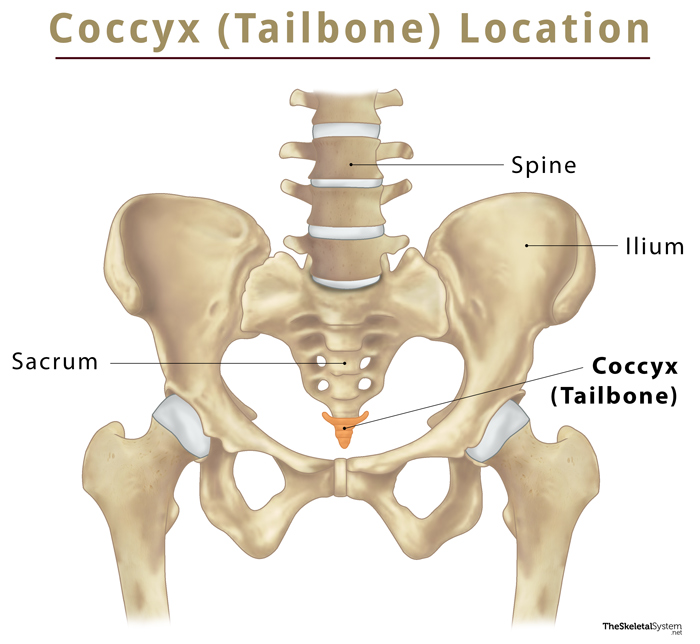
The coccyx (also known as the tailbone) is the terminal part of the vertebral column. It is comprised of four vertebrae, which fuse to produce a triangular shape.
The coccyx arises embryologically as the skeletal remnant of the caudal eminence that is present from weeks 4-8 of gestation. This eminence subsequently regresses, but the coccyx remains. Initially, the four coccygeal vertebrae are separate, but throughout life they fuse together to form one continuous bone.
https://teachmeanatomy.info/pelvis/bones/coccyx/
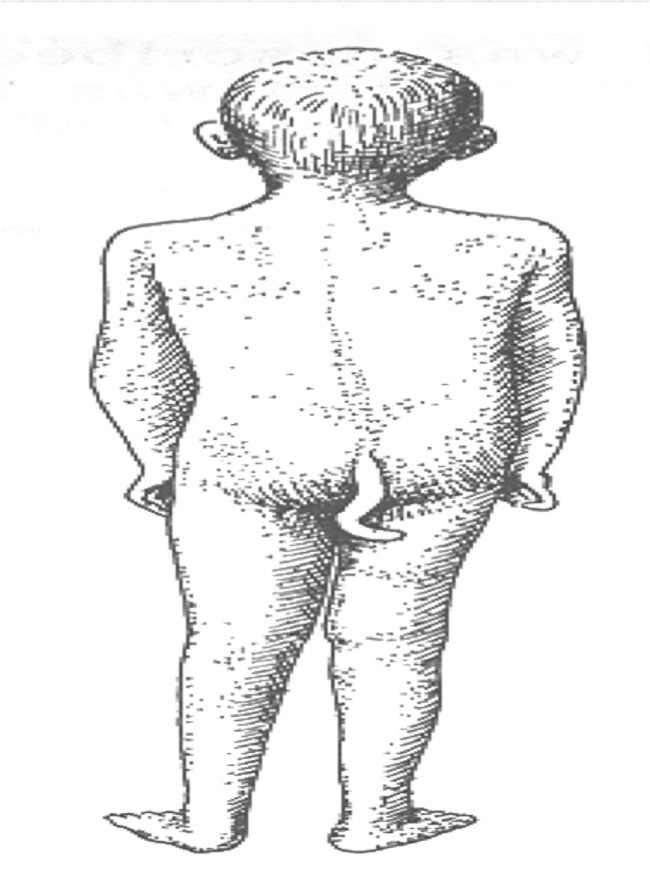
What does it mean if a baby is born with a tail?
Growing a true human tail is extremely rare. Sometimes, when babies are born, their parents might think they have a true tail when actually they don’t. This is called a pseudotail. Pseudotails are usually a symptom of an irregular coccyx or of spina bifida as opposed to a remnant of the embryonic tail from the womb.
https://www.nhs.uk/conditions/cartilage-damage/
- Femur: aka thigh bone runs from the hip to the knee
- Tibia: aka shin bone runs from the knee to the ankle, and
- Patella: aka kneecap is the small bone at the front of the knee.
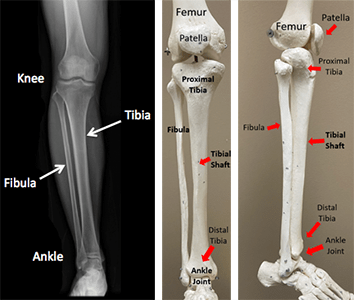
Knee Bones
https://www.knee-pain-explained.com/kneebones.html
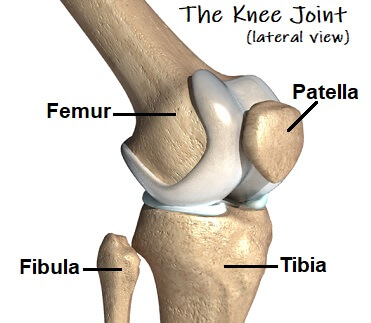
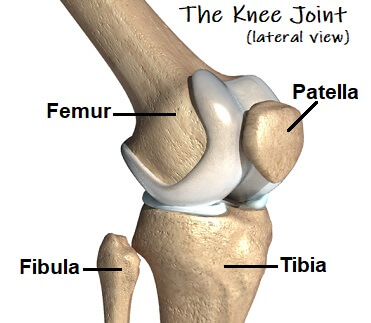
There are three knee bones that make up the joint:
- Femur: aka thigh bone runs from the hip to the knee
- Tibia: aka shin bone runs from the knee to the ankle, and
- Patella: aka kneecap is the small bone at the front of the knee.
The two largest knee bones, the femur and the tibia, join together to form what is known as the tibiofemoral joint, and at the front of the knee the kneecap rests in a groove on the front of the femur, known as the patellofemoral joint.
Another bone, the fibula, is found on the outside of the leg. It is not directly part of the knee joint, but many of the important structures of the knee attach to the fibula.
The bones of the knee are all lined with cartilage and whole joint is surrounded by a joint capsule.
The Knee Bones
Here we will look at each the different knee bones and their associated structures and how they work. We will also go on to look at what can go wrong with them and how to treat any problems that may arise.
1. Femur (Thigh Bone)
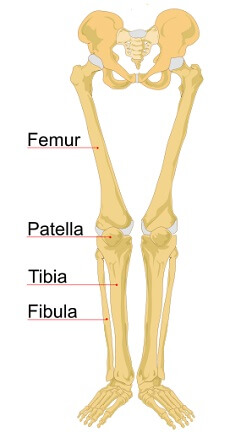
The femur is the largest bone in the body found at the top of the leg, sitting between the pelvis and the knee. At the knee, the femur articulates with the shin bone (tibia) and the knee cap (patella).
On the bottom end of the femur are two round knobs known as the femoral condyles which rest on top of the shin bone. Between these knobs is a groove called the patella groove where the knee cap sits, allowing it to glide up and down freely.
2. Tibia (Shin Bone)
The tibia is another long bone that is found between the knee and the foot. The top surface of the tibia is essentially flat and is known as the tibial plateau. The femur sits on this flat area.
The top of the tibia is lined with an extra layer of cartilage, known as the meniscus. Damage to this cartilage is a common cause of knee pain and may be due to a cartilage tear or arthritis.
3. Patella (Kneecap)
The patella is a small upside down triangle-shaped bone found at the front of the knee. The patella bone sits inside the tendon of the thigh muscles, the quadriceps, at the front of the knee resting in the patellar groove of the femur.
A great deal of pressure goes through the kneecap and it is therefore lined with the thickest layer of cartilage in the body.
Common problems around the patella include:
- Chondromalacia Patella
- Housemaids Knee aka prepatellar bursitis
- Patella Alta aka high riding patella
- Patellofemoral Pain Syndrome aka Runners Knee
The most common injuries of the kneecap bone are dislocations or fractures – you can find out more in the kneecap injuries section.
https://www.elementaryschoolscience.com/human-body-lesson-skeletal-system
A baby’s body has about 300 bones at birth. These eventually fuse (grow together) to form the 206 bones that adults have.
 ukhomeschool