
- Change means being different.
- Often, people reject the idea of change because they are scared of trying new things and going out of their comfort zone.
- Some changes are unpredictable, so people are scared of the risks and results.
- They fear that they might fail or lose something in the process.
- With sudden changes, plans get disrupted, and people may feel lost as things do not go as planned.
- Unpredictability and not having sufficient information about the change makes people uneasy.
- Whether a major or a small change, it can bring mixed emotions like loneliness and excitement.
- There are different ways of dealing with change, and you should recognize and accept it.
- Sudden changes can be stressful at times, and a person may experience different symptoms such as anxiety, irritability, headaches, and sleeping problems.
- Having proper strategies will help a person cope with all changes they encounter.
Dealing With Change
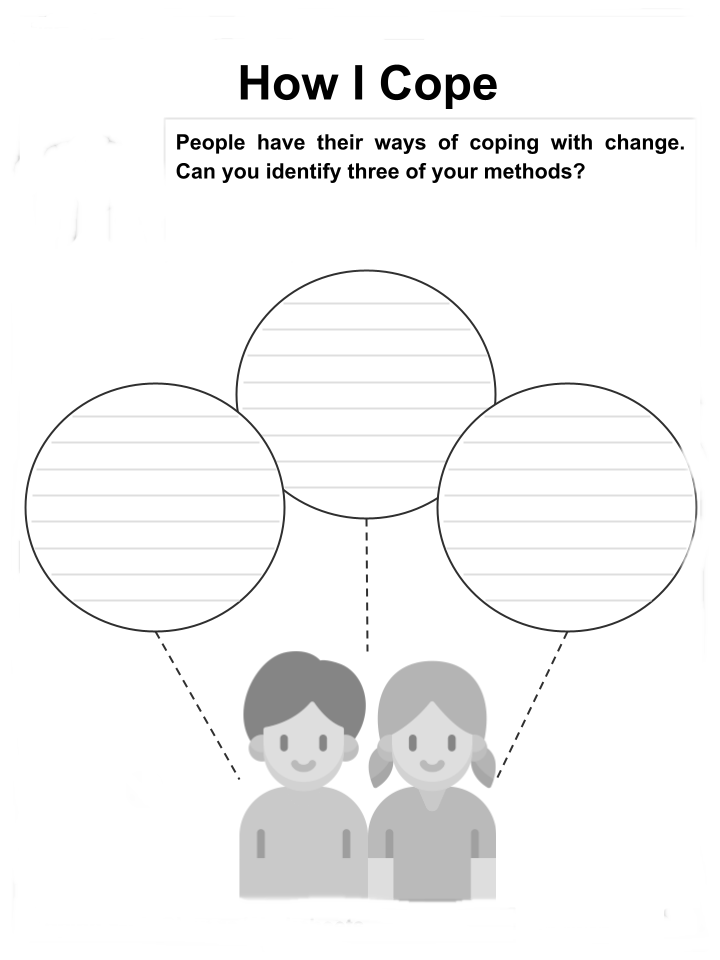
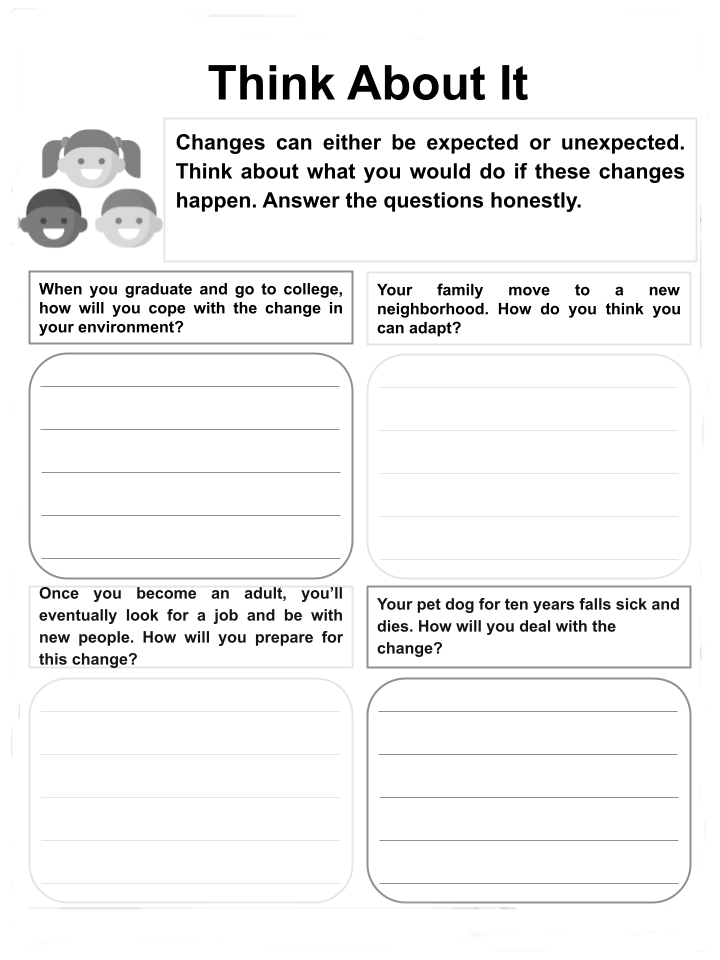
- There are various ways of coping with change.
- Here are some of them:
PREPARE
- If you know that a change might happen, you must prepare for it and think of the possible outcomes.
CHANGE THE WAY YOU THINK
- Do not think of negative thoughts and always think of the positive effects of the change. Do not forget to affirm yourself.
TALK TO OTHER PEOPLE
- If you are having a hard time, it will help if you open up to your trusted peers or a professional. You can always reach out to them and seek their advice.
HANDLE YOUR STRESS
- It will help you get through change if you can manage your stress well.
ACCEPT AND ADAPT
- There will always be unwanted changes, and these are beyond your control. You have to accept this and make some adjustments to adapt. Always look for the brighter side of things.
KEEP SEVERAL FAMILIAR ROUTINES THAT YOU HAVE ALWAYS DONE
Keeping to most of your routines will help you feel stable when you feel chaotic.
Reacting to Change
- The initial reaction to change is feeling shocked and disoriented.
- You may feel confused about what is happening and why.
- Next is having mixed emotions.
- Depending on the change, you might feel different emotions such as anger, sadness, or happiness.
- The third reaction to change is shifting away from the old and learning to lean on the new.
- You are slowly accepting the change.
- The last stage of the reaction is acceptance.
- You have fully accepted the change and can move forward with it.
How to Help a Person Trying to Cope With Change
- Validate their feelings by reassuring them and telling them that you understand what they’re going through and what they feel, and that you will always be there to support them.
- Tell them to always look at the good things that can happen during the change.
- Always listen to their concerns and what they have to say.
- For parents, engage your child and ask for their opinions on the change that is about to happen.
- Struggles will always be temporary, and eventually, you will learn to get familiar with the change.
 ukhomeschool