
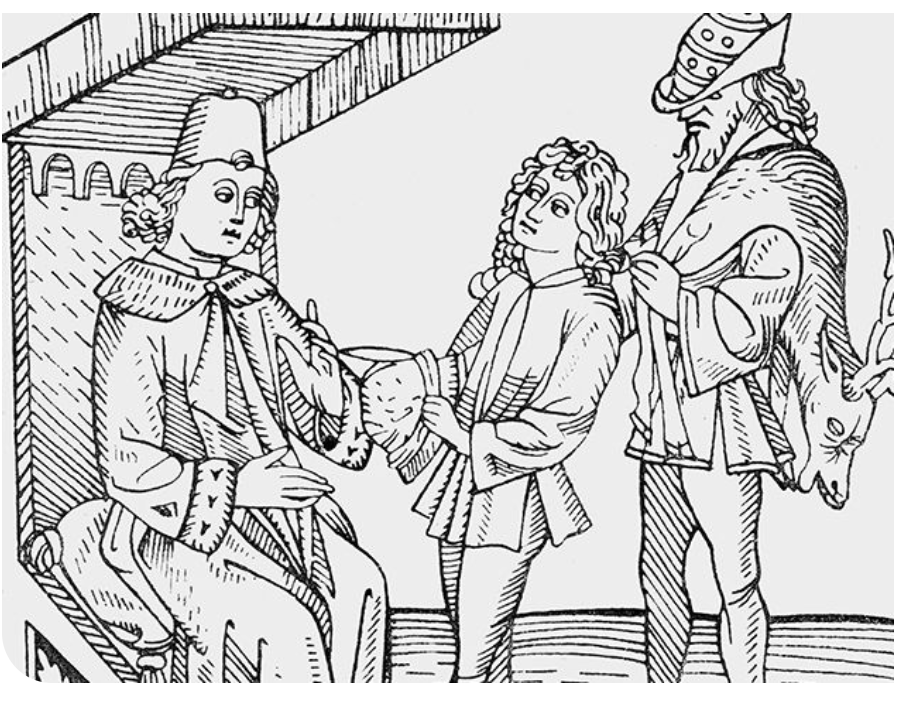
Serfdom
https://en.wikipedia.org/wiki/Serfdom
https://www.worldhistory.org/Serf/
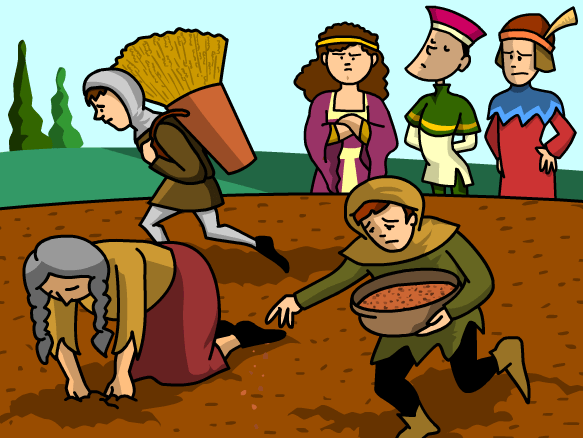
A serf is a person who is forced to work on a plot of land, especially during the medieval period when Europe practiced feudalism, when a few lords owned all the land and everyone else had to toil on it.
In Europe between the 9th and 15th centuries, large plots of land were ruled by lords who made serfs work the land for the lords’ profit. The Latin root of the word is servus, which literally means “slave,” but serf and slave are not synonyms. There were many kinds of serfs, some of which were indeed slaves, but others were more like employees who had some limited freedom. Either way, a serf’s life was a brutal and unpleasant life.
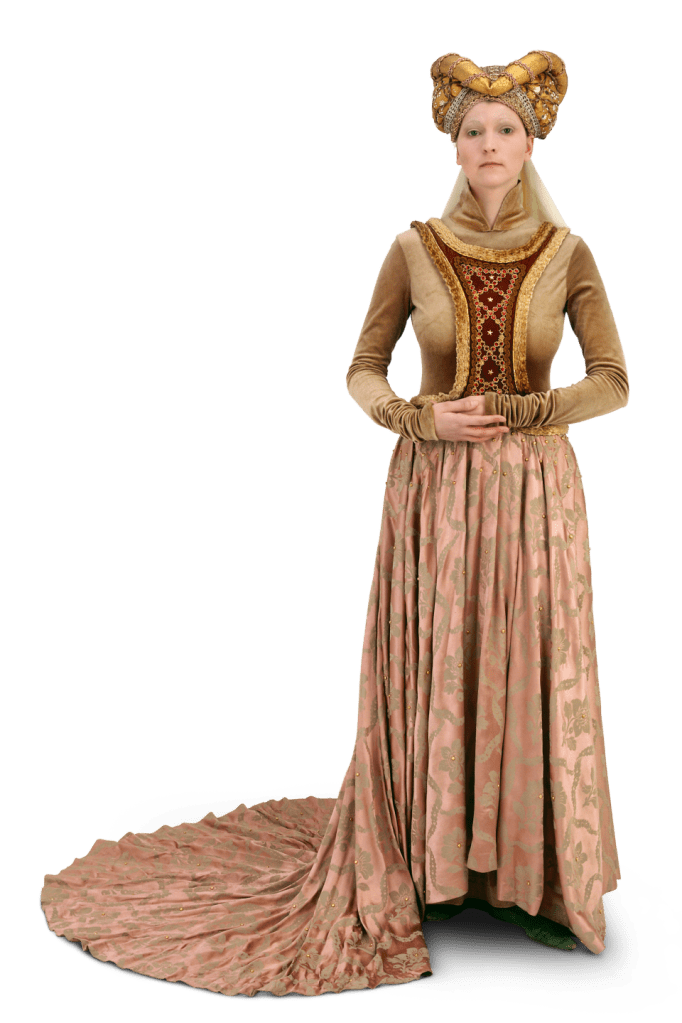
What happens if a serf ran away?
If a serf ran away to another part of the country there may have been no proof of their status. However serfdom could end legitimately. In 1470 Sir Gerrard Widdrington manumitted or freed his native serf William Atkinson, and gave him the manorial office of bailiff for Woodhorn manor.
Did serfs get paid?
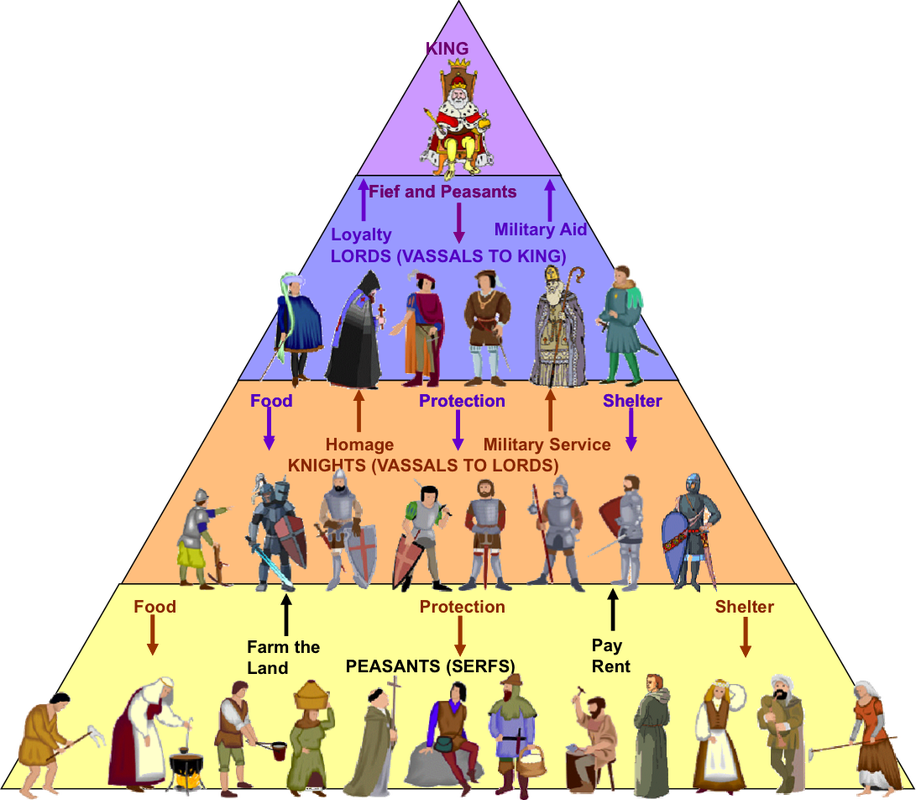
Serfs usually paid their lord by giving food and working without pay. Usually, serfs spent five or six days a week working for their lord. On these days, the lord would give his serfs very good food. However, serfs had to do the lord’s work before they could do their own work.
What is the difference between serfdom and slavery?
Serfdom was a bit different from slavery: while slaves were bought and sold as people, serfs were legally bound to the land they worked, and that land could be traded between different feudal masters.
How badly were serfs treated?
Serfs were often harshly treated and had little legal redress against the actions of their lords. A serf could become a freedman only through manumission, enfranchisement, or escape.
What did female serfs do?
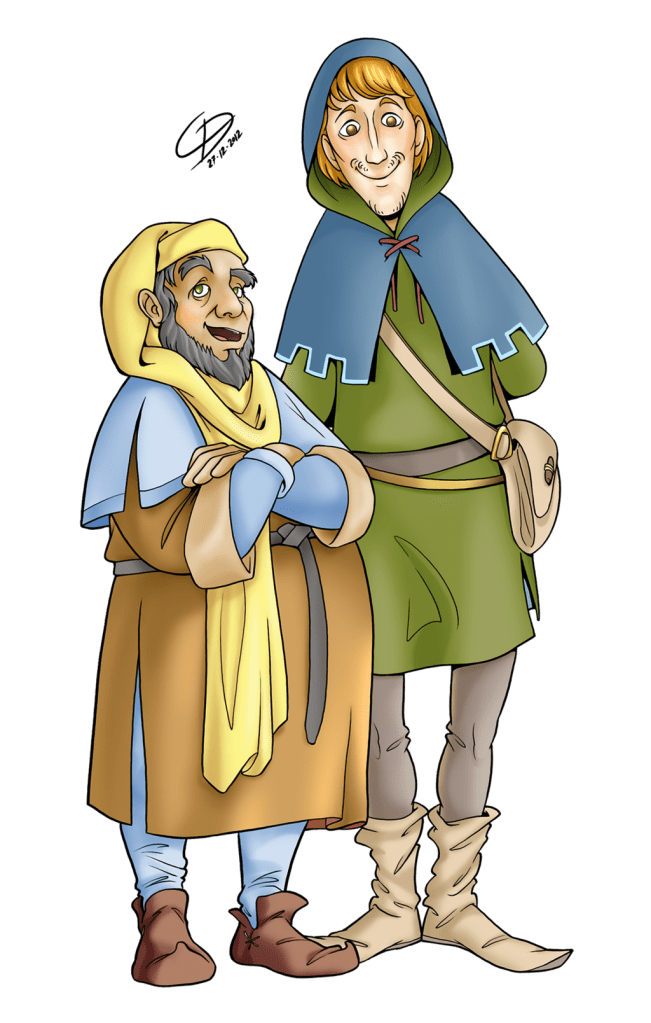
Peasant women had many domestic responsibilities, including caring for children, preparing food, and tending livestock. During the busiest times of the year, such as the harvest, women often joined their husbands in the field to bring in the crops.
Were there serfs in England?
Great Britain
In England, the end of serfdom began with the Peasants’ Revolt in 1381. It had largely died out in England by 1500 as a personal status and was fully ended when Elizabeth I freed the last remaining serfs in 1574.
What did serfs do for fun?
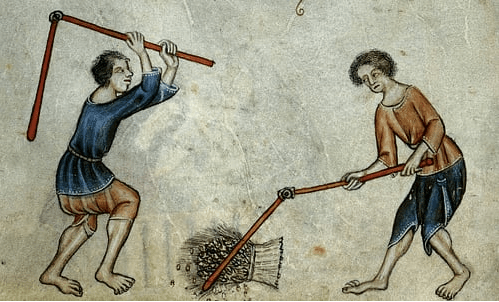
A serf had leisure time on Sundays and on holidays when the most popular pastimes were drinking beer, singing, and group dancing to music from pipes, flutes and drums.
Are serfs better than peasants?
Peasants were the poorest people in the medieval era and lived primarily in the country or small villages. Serfs were the poorest of the peasant class, and were a type of slave. Lords owned the serfs who lived on their lands.
Did serfs have surnames?
ABSTRACT: The Imperial decrees emancipating the serfs of the Russian Baltic provinces (1816–1820) included the requirement that serfs, who would now become free peasants and obtain legal standing, have both a first name and a surname, the latter of their own choosing.
 ukhomeschool