
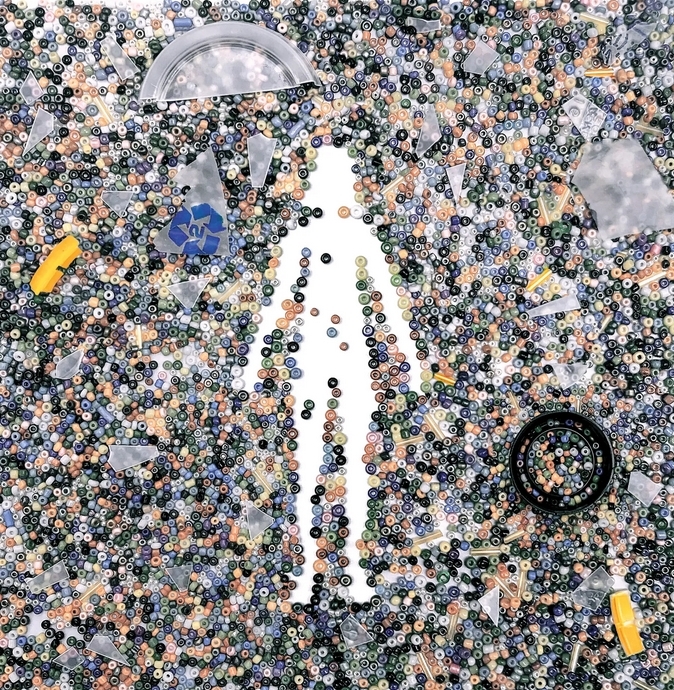
https://www.stem.org.uk/resources/elibrary/resource/35961/plastic-challenge
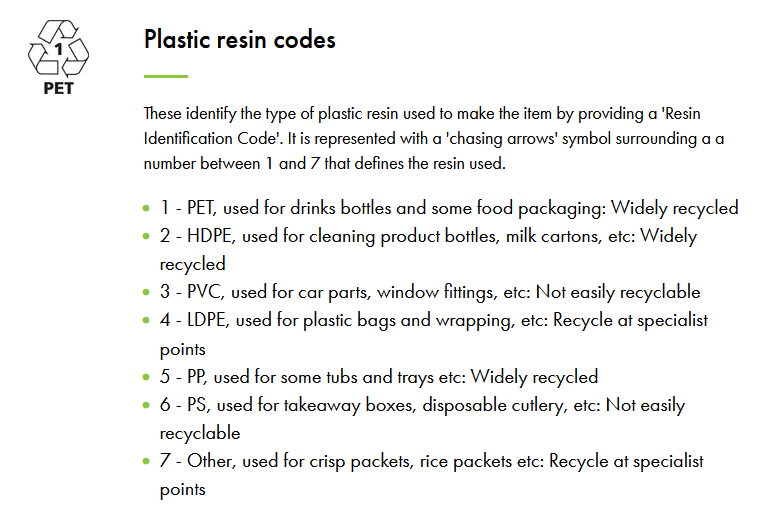
https://www.recyclenow.com/how-to-recycle/recycling-symbols
Title: How Plastics Are Poisoning Us: Exploring Pollution and Sustainable Alternatives
Aim:
To educate children about the negative impacts of plastic pollution and empower them to take action by promoting recycling and finding alternative materials to reduce plastic waste.
Duration: 2 hours
Learning Objectives:
- Understand the environmental impact of plastic pollution.
- Recognize the different types of plastics and their recycling capabilities.
- Explore sustainable alternatives to single-use plastics.
- Identify ways to reduce plastic waste in everyday life.
- Evaluate the importance of recycling and responsible waste management.
Teaching Activities:
- Introduction (10 minutes)
- Engage students with a short video on plastic pollution.
- Facilitate an open discussion about the impacts of plastic on the environment.
- Discuss the importance of finding sustainable alternatives.
- Types of Plastics and Recycling (20 minutes)
- Present information on common plastic types (PET, HDPE, PP, LDPE, PVC, PS) and their recycling capabilities.
- Organize a group activity where students categorize plastic items according to their recycling symbols.
- Discuss why certain plastics cannot be recycled and the implications of improper disposal.
- Sustainable Alternatives (30 minutes)
- Introduce various alternatives to single-use plastics, such as reusable water bottles, cloth bags, and bamboo toothbrushes.
- Collaborate on a class project to identify and research alternative materials that can replace plastic in different products.
- Encourage independent exploration of alternative options online.
- Recycling and Waste Management (30 minutes)
- Discuss the importance of recycling and its connection to waste management.
- Explore local recycling initiatives and facilities through interactive online articles or videos.
- Present a case study of a successful recycling program to highlight its benefits and inspire students.
- Action Plan and Reflection (20 minutes)
- Prompt students to create an action plan to reduce plastic waste in their daily lives.
- Provide time for group discussions and sharing of ideas.
- Reflect on the impact of the lesson and discuss how small changes can make a difference.
Assessment:
To assess student understanding, employ a summative assessment method, such as a short quiz or a project where students create posters or presentations on plastic pollution and sustainable alternatives. Focus on their ability to identify recyclable plastics and propose sustainable alternatives to reduce plastic waste.
Cross-curricular Connections:
Connect the topic to other areas of the curriculum through the following connections:
- Science: Exploring the environmental effects of plastic pollution and the chemical composition of plastics.
- Geography: Investigating local waste management practices and their impact on the environment.
- English/Language Arts: Engaging with online articles or videos and developing persuasive writing skills to advocate for responsible waste management.
Field Trip/Outings:
While no specific local places or attractions related to the topic are suggested for a field trip, you can encourage students to visit nearby recycling centers or participate in community clean-up events to gain practical knowledge of waste management practices.
Resources:
Access to the internet will be necessary to support teaching and learning through online articles, videos, and interactive resources on plastic pollution, recycling processes, and Eco-friendly alternatives to plastics.
What food packaging is not plastic?
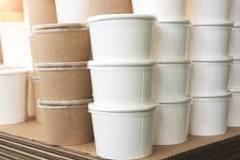
Examples of sustainable food packaging options are:
Paper bubble wrap alternative which can be recycled after use. Biodegradable air pillows made from recycled plastic. Hybrid meal delivery boxes. Containers made from recycled food waste transformed into paper-like substances.
What is a good alternative to plastic packaging?
- Bagasse + Bagasse is created as a by-product of sugarcane processing and can be adapted to fit a variety of packaging requirements, particularly for food delivery and transportation. …
- Palm leaves + …
- Silberboard paper + …
- Wood pulp cellophane + …
- Milk plastic + …
- Seed phytonutrients shower-friendly paper +
What are the safest food packaging materials?
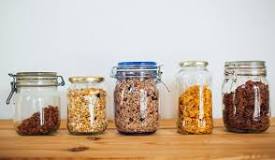
Added to that, glass bottles and jars also help maintain a product’s original taste and freshness as it forms a great barrier against external air and moist. This makes them the number one choice of packaging to preserve foods. Besides the benefit of being 100 percent food-safe, glass furthermore is fully recyclable.
 ukhomeschool