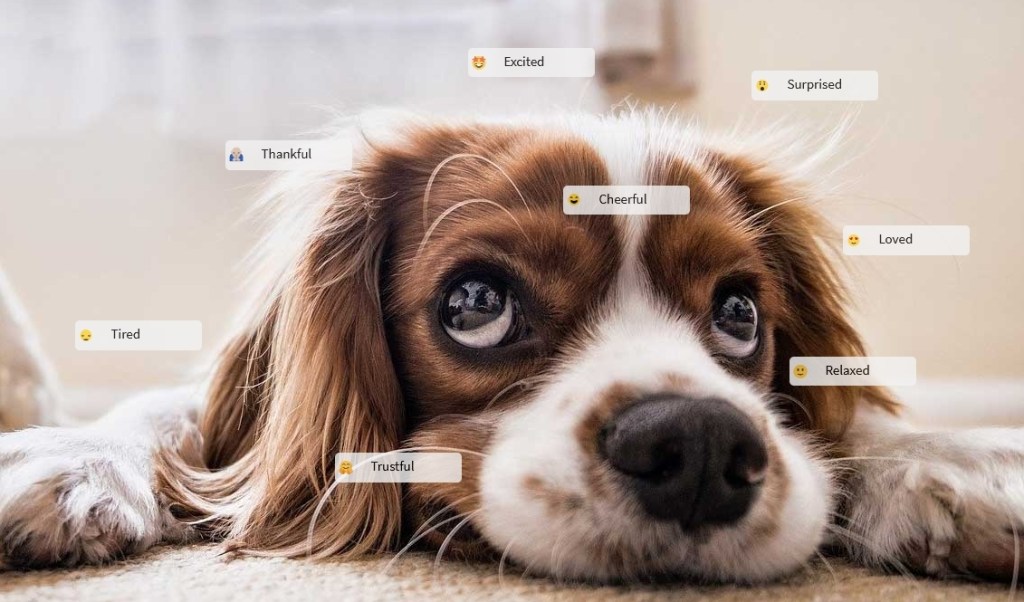
Things that support my well being
We’re going to think about things that can help support your well being.
- What makes you feel happy?
- What stops you feeling bad?
- What helps you relax or feel calm?
- What can act as a distraction?
- What has worked well before?
- What new things would you like to try?
- What have others suggested?
Chill out Routine
Look for something positive in each day
Chat to a friend
Stay in touch with friends and family
Take a break from phones,
tablets and social media
Try something new
Smile Listen to music
Eat regular meals and try to get your 5 a day
Get enough sleep
Find a reason to get out of bed
Have a shower or a relaxing bath
Make time for you Exercise
Remind yourself of all the things you are grateful for.
What things do you need to avoid because they can make you feel bad or worse?
‘Frenemies’ – people who are supposed to be friends but often make you feel worse
Focusing on negatives
Taking anger out on others
Being antisocial
Being alone all day
Comparing myself to other people
Smoking, drinking, drugs
Negative use of social media
Hurting myself
Keeping things to myself
Feeling guilty about spending time alone or about going out
Being hard on myself
Staying in bed all day
Taking things to heart
Worrying too much
Letting go of routines
Triggers and challenging situations
Triggers are things that happen to us or challenging situations we face that make it harder for us to stay well.
Here we think about likely triggers and how we can manage them.
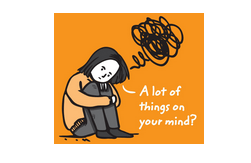
Friendship issues
Change School
holidays
A break-up
Comparing yourself with others
Physical or mental illness
Difficulties at home
Being bullied
Exams
getting into trouble in school
Moving to a new school or class
Not living up to expectations
FOMO fear of missing out
Failure
Think about things you can try to do to manage your triggers and challenges.
Call a helpline
Talk to someone you trust
– just talking to someone
Admit there is a problem
– don’t ignore what’s happening
Make a plan to help you get through this tough time
Make an effort to do things you enjoy
– even if it’s hard to feel motivated
Let family or friends support you
Have some calming ideas or breathing techniques to help you cope in the moment
Try to take one minute at a time so you don’t get overwhelmed
Early Warning Signs
It’s useful to learn to recognize the signs in our thoughts, feelings, appearance or behavior which might help us or those who care about us to recognize when we need help.
Thinking about this can also help us recognize when a friend might need our support too.
Losing interest in things
Self-harm
Being late for school / not doing work
Unusual behavior
Neglecting appearance or cleanliness
Changes in social media habits
– shutting down,
uploading worrying photos or status updates,
not answering the phone
Mood swings
Feeling unable to cope
Feeling low, angry, stressed, lonely or crying
Avoiding friends and social events
Forgetting things
Getting Help and Support
If you spot the warning signs that things are going less well for you what should you do next?
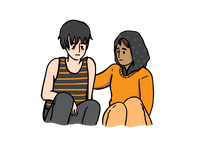
It’s Good to Talk!
If you’re not ready to talk to someone face to face, call a helpline or use a website e.g.:
National
Childline – childline.org.uk 0800 1111
Young Minds Crisis Messenger text service provides free, 24/7 crisis support across the UK.
If you are experiencing a mental health crisis and need support, you can text YM to 85258.
Who do you think you could talk to if you need help and support?
Friends Staff at school (e.g. tutor, student support, counselor (if your school has one)
Peer supporters / mentors in school
Family members
Someone you trust in your community (e.g. a club leader, sports coach or youth worker).
Are there any websites / helplines you want to include in your plan?
The YoungMinds Crisis Messenger text YM to 85258.
My One Minute Safety Plan 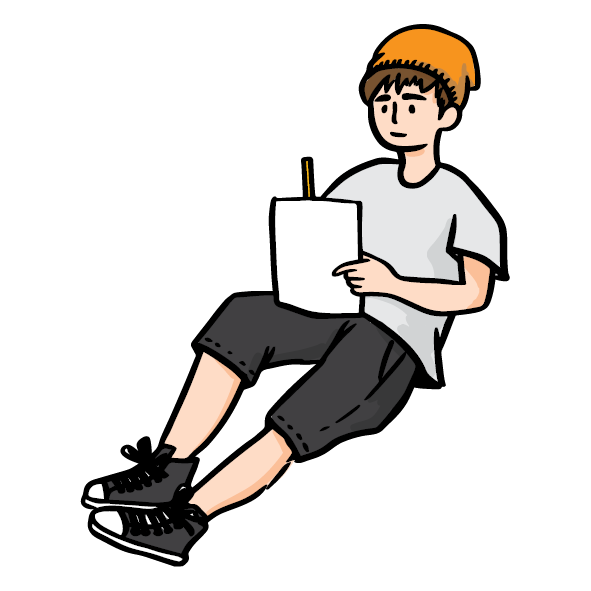
Your one minute safety plan is something to keep close at hand for those times when things seem really hard and you feel completely overwhelmed.
It is something you can get to really quickly and can help you begin to feel safer in a very short time.
A good idea, if you have a smartphone, is to take a photograph of your plan so it’s always handy.
Use this part of the plan to make a note of:
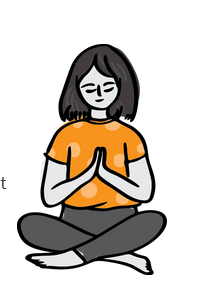
- Your favorite calming activity (e.g. a breathing exercise)
. People who can help you
Distraction ideas (something that can take your mind off the thoughts that may be going round and around in your head.
op tip: try and practice your calming activity when you are feeling OK. This is so that when you need it, you don’t have to think about what to do – it is ready to go.
Try and use your calming activity as soon as you begin to feel anxious or overwhelmed.
You can also use it as a preventative measure – e.g just before an exam or a social situation. It’s a great way to prepare.
People who can help me
Sometimes the best thing to do when you’re feeling overwhelmed is to talk to someone you trust / ask for help
Make a list of people you could talk to. Make sure you have their contact details too.
Think of people who are available in school time / weekends / school holidays… include things like Childlike or the Samaritans.
Something to distract me 
If you are feeling overwhelmed or have thoughts going round in your head, doing something that distracts you can help…
Cuddle a pet
Tidying!
Do a puzzle
A silly game on your ‘phone
Call a friend
Do some exercise
Go for a walk
Draw / paint / color
Listen to a favorite song
my snapshot of how I’m feeling right now