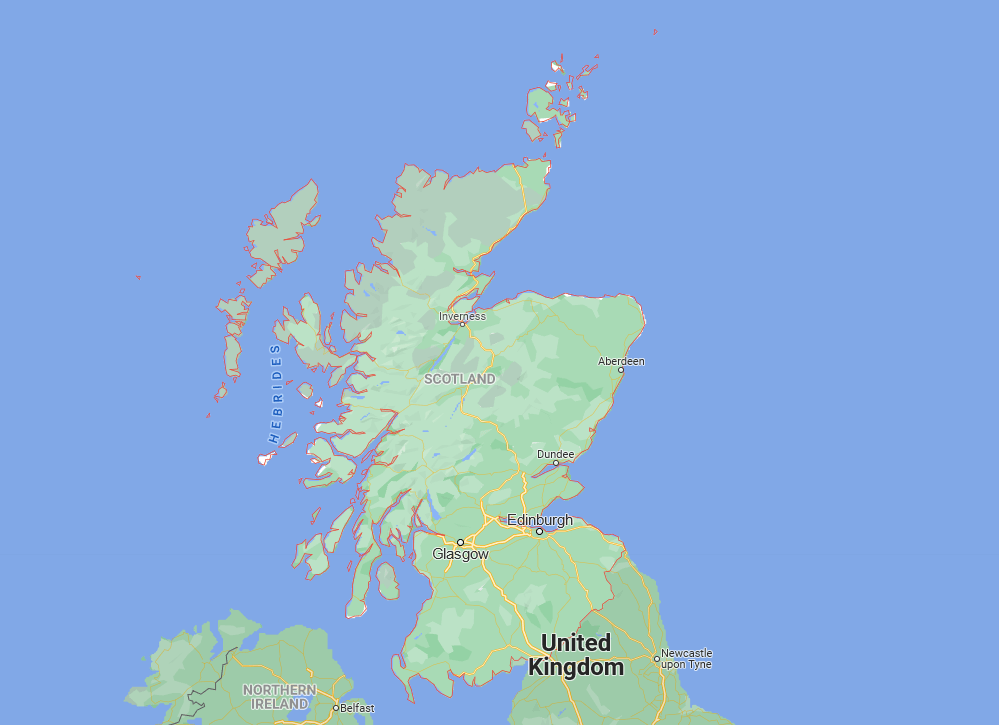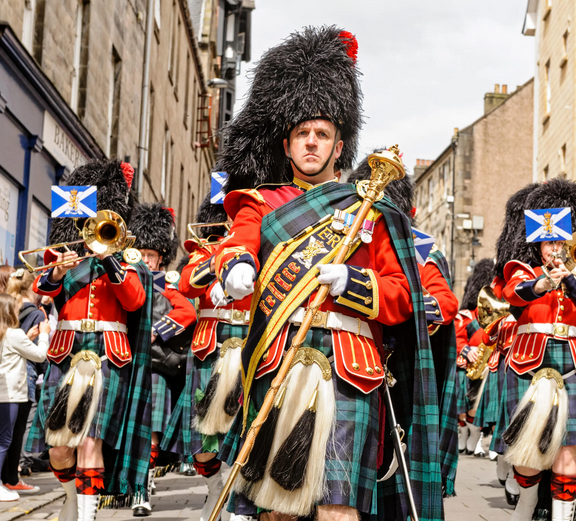
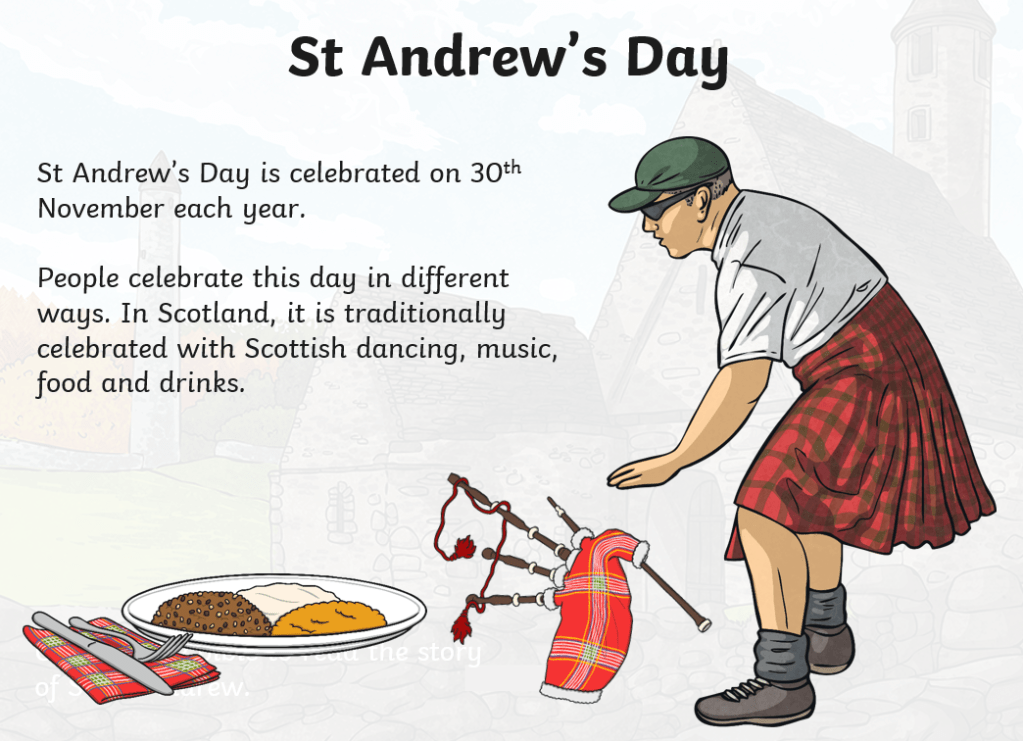
St. Andrew’s Day is a national holiday in Scotland that is celebrated with feasts and festivals on November 30 every year. It’s also Scotland’s national day, which marks the beginning of Scotland as a nation.
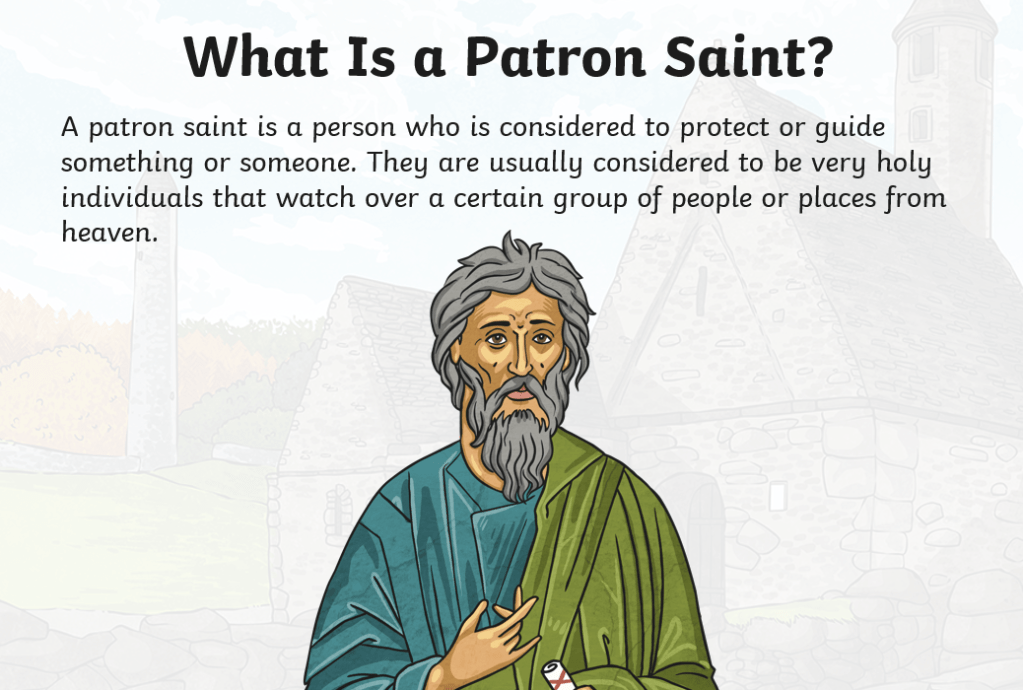
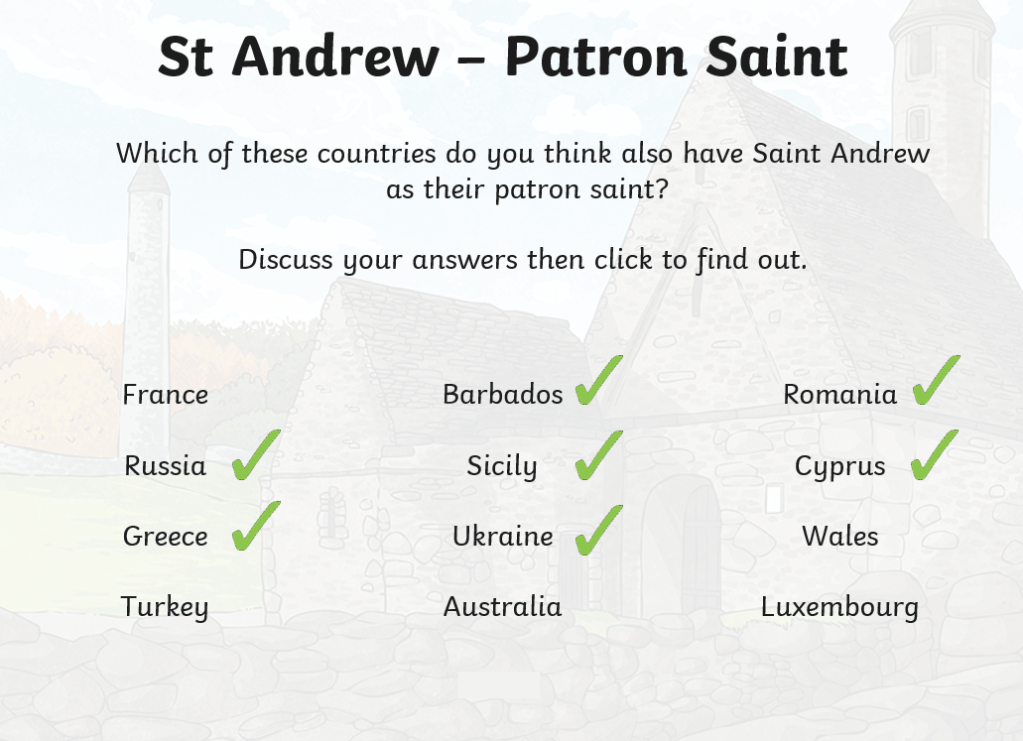
St Andrew is also the patron saint of Romania, Greece, Russia, Ukraine and Poland. These countries also celebrate their own variations of St Andrew’s day on November 30. Patron saints are chosen to be special protectors or guardians over things.
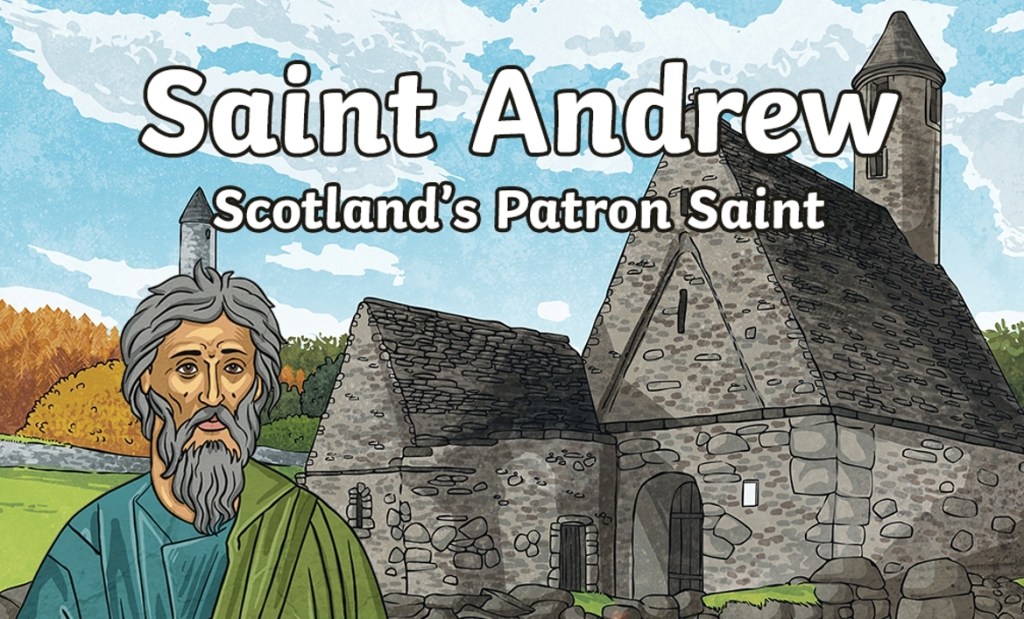
Who is St Andrew?
We don’t know a lot about St Andrew and it’s thought that he has never actually stepped foot in Scotland his whole life!
It’s believed that he was born between the years 5 AD and 10 AD in a place that is now part of Israel.
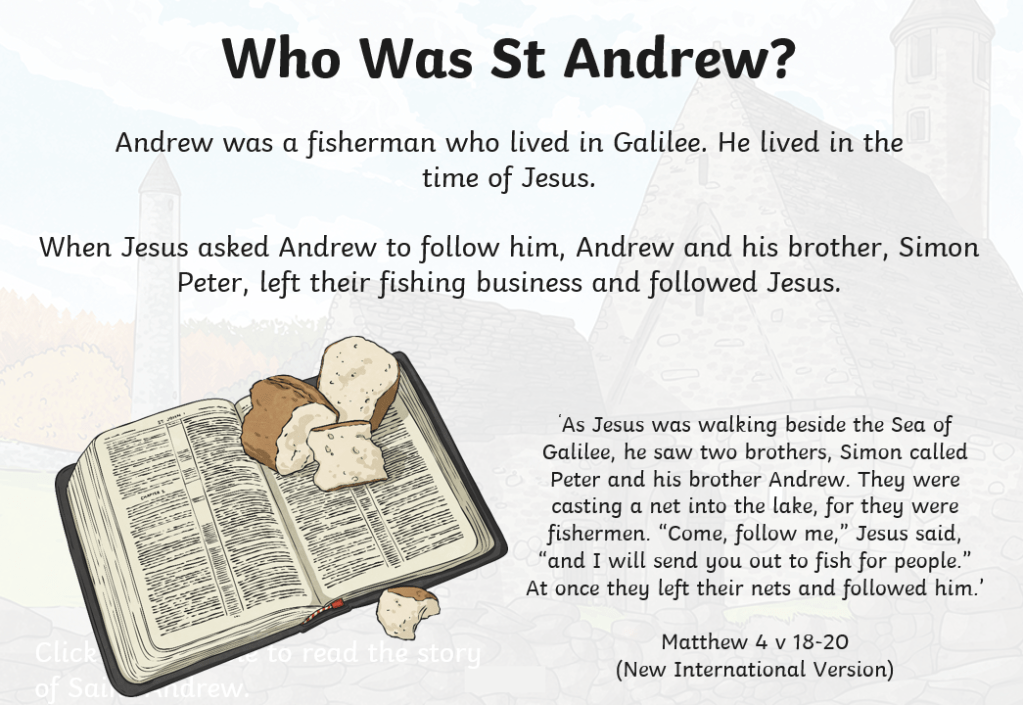
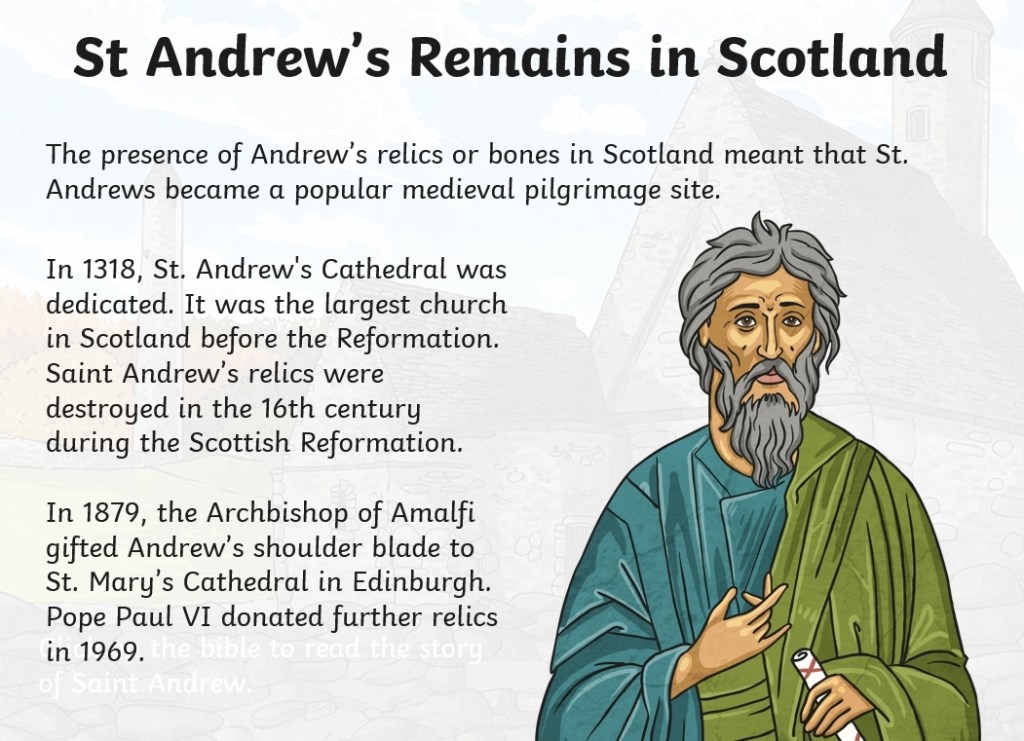
According to Christian teachings, he went on to become one of the 12 disciples of Jesus Christ. The disciples were 12 people chosen by Jesus to closely follow him.
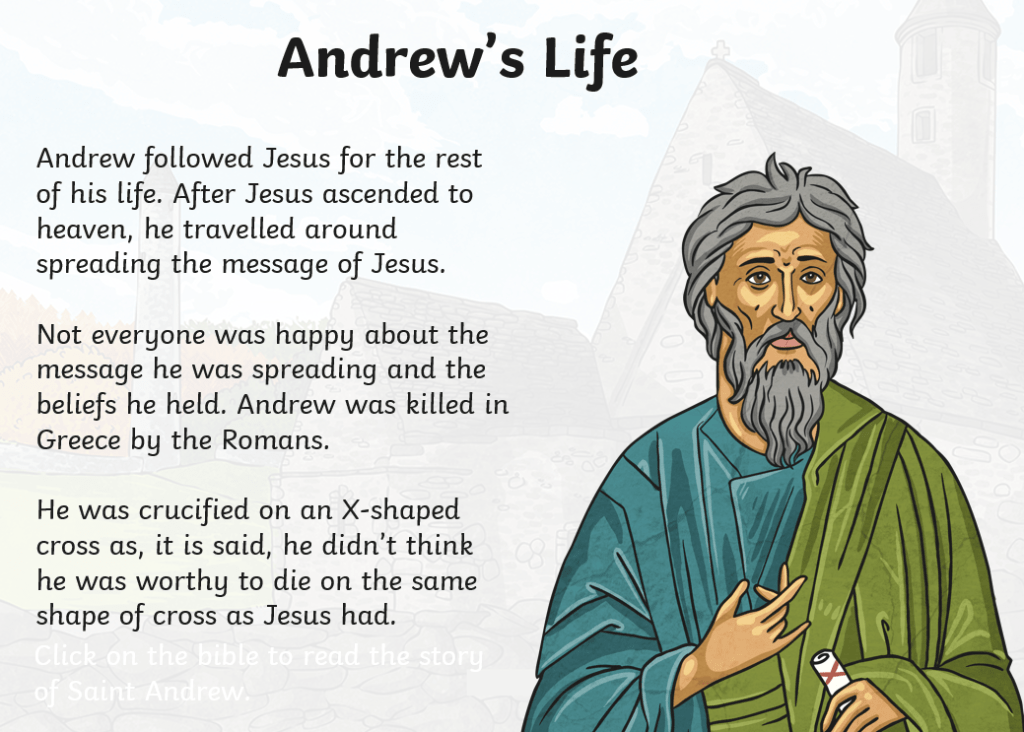
Like Jesus, Andrew was martyred for his beliefs but he is said to have refused a T-shaped cross, deeming himself unworthy to be crucified in the same way as Jesus Christ.
Instead, he was nailed upon an X-shaped cross on 30 November 60AD in Greece.
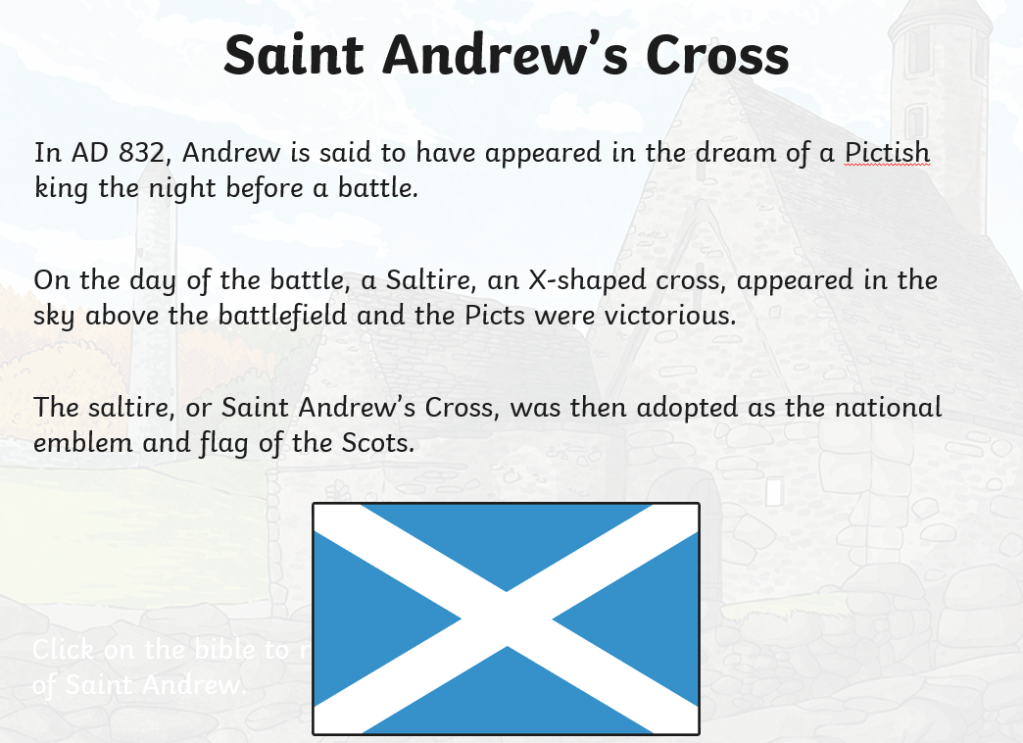
This caused the diagonal cross of the saltire being adopted as his symbol, the same symbol that now makes up the X-shaped cross that appears on the Scottish flag.
St Andrew was known for being a generous and humble man who had a philosophy of being compassionate and sharing with others.
St Andrew’s values of helping others are something that the Scottish community continue by helping others who are less fortunate.
Because of his generous and cooperative spirit, St. Andrew remains the patron saint of fishermen, fishmongers, singers and pregnant woman, and is said to offer protection against sore throats and gout.
How do people celebrate St Andrew’s Day?
St Andrew has been celebrated in Scotland for over a thousand years, with feasts being held in his honour as far back as the year 1000 AD.
Some might mark St Andrew’s Day by going to a special type of party called a Ceilidh, pronounced “kay-lee”, where they do Scottish country dancing.
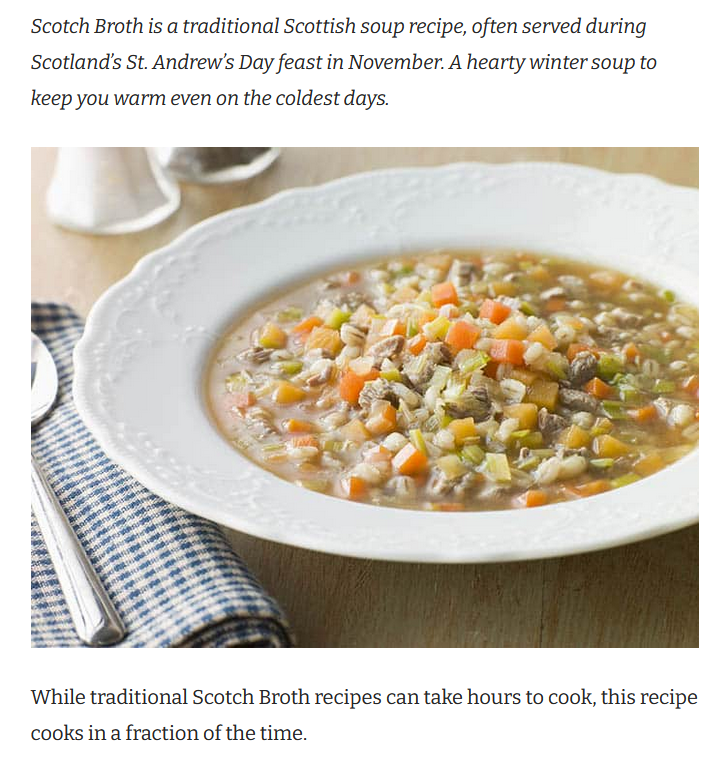
Traditional food may also be eaten, such as Cullen skink – which is a type of fish soup – or lamb.
While others try to champion St Andrew’s values of being humble and generous by helping those within their community that may be struggling. Often they invite them in for food or donate clothing and toys.
Different regions of Scotland will have specific events and traditions commemorating Saint Andrews.
For example, in East Lothian, the annual Saltire Festival focuses on Scotland’s rich heritage in the arts and sport, they host:
- A 10K night run
- A golfing tournament
- Crafting workshops
- Traditional music performances
Meanwhile, Glasgow hosts a spectacular torchlight procession through the city’s West End, with all proceeds going to charity as a homage to Saint Andrew’s generosity.
Towards the north, the Oban Winter Festival is another annual community gathering that celebrates Scottish culture, with a whisky festival, haggis tastings, and performers singing traditional Gaelic and Scots tunes.

https://www.wikihow.com/Celebrate-St.-Andrews-Day